
LOREX: Participant Biographies
Principal Investigators

Adina Paytan - Research Professor, Institute of Marine Sciences, University of California, Santa Cruz
Adina Paytan is a research professor at the University of California Santa Cruz. Her principal research interests lie in the fields of biogeochemistry, chemical oceanography, and paleoceanography. The goal of her research is to use the chemical and isotopic records enclosed in diverse earth materials to study present and past biogeochemical processes. This research spans a wide range of temporal (seasons to millions of years) and spatial (molecular to global) scales. An overarching goal of this research is to understand the processes and feedbacks operating in the Earth System and how they relate to global changes in climate and tectonics. In addition, Adina is interested in natural and anthropogenically induced perturbations that affect biogeochemical processes and their impact on humans and the environment. Adina considers education and outreach as integral components of her scientific activity and dedicates time to providing professional development and mentoring opportunities to students of all ages and early-career scientists. Adina is an ASLO Fellow and served as an associate editor for Limnology and Oceanography Methods. You can contact her at [email protected]
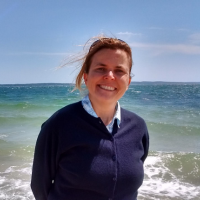
Susanne Menden-Deuer - ASLO President (2024-2026)
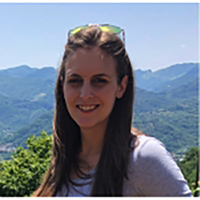
Brittany Schieler, ASLO Director of Communications and Programs
Past Principal Investigators of LOREX (2019-2025)
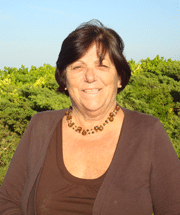
Linda Duguay - Former ASLO President

Michael Pace - Former ASLO President
LOREX Fellows
Angelique Rosa Marín (Spring 2026)
Janelle Layton (Spring 2025)
Rachel Weisend (Spring-Fall 2023)
Jessica Bellworthy (Fall 2022 - Spring 2023)
Eilea Knotts (Fall 2019 - Spring 2020)
Brittany Schieler (Spring 2019)
Maha Cziesielski (Fall 2019)
LOREX Participants
Umeå University, Sweden
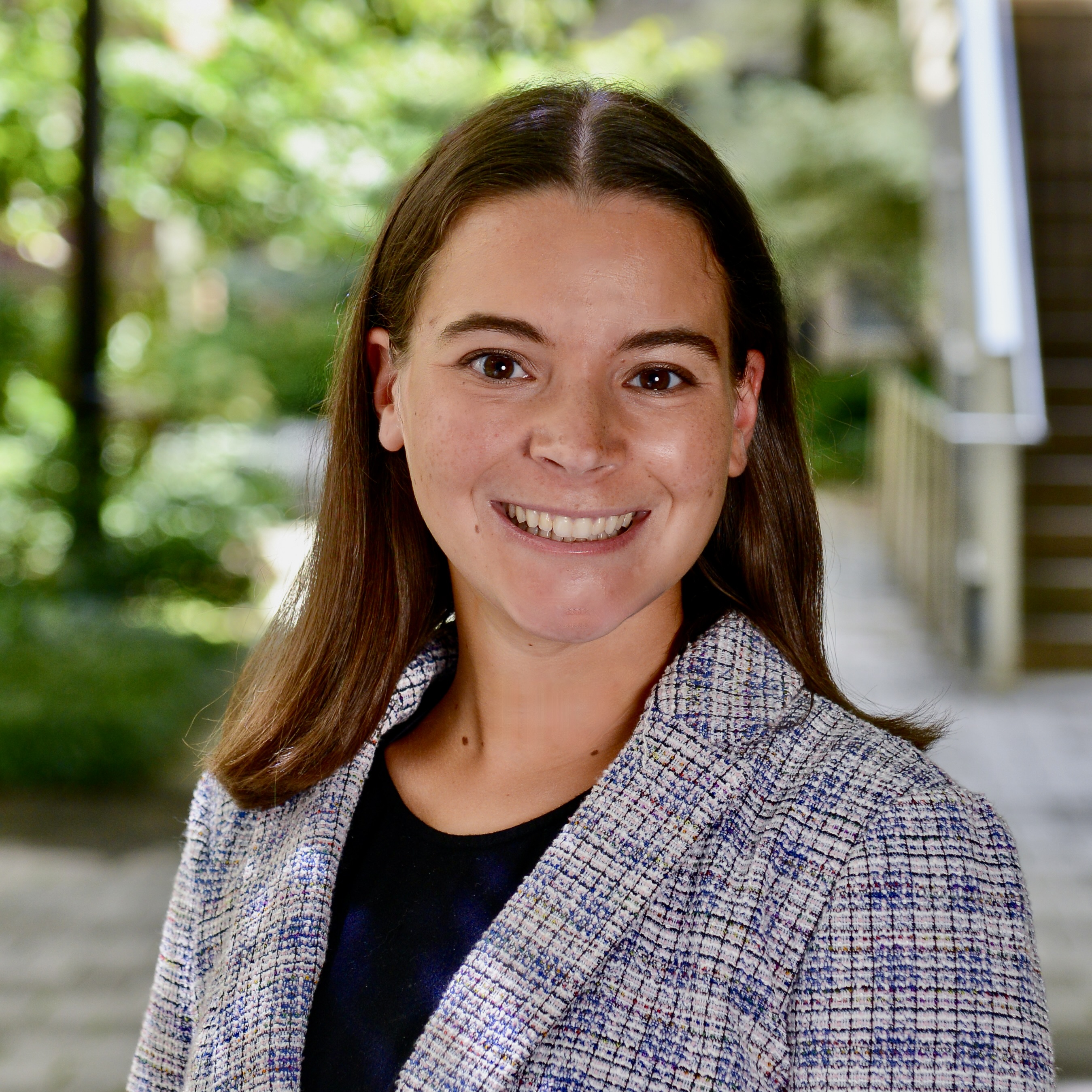 Veronica Slevin is a second year PhD student at the University of North Carolina at Chapel Hill working with Dr. John Gardner. She is interested in hydrologic and climatic controls on the cycling of organic carbon to and through aquatic networks. Specifically, Veronica utilizes remote sensing and modelling techniques to understand how these processes change spatially and temporally. Prior to graduate studies, Veronica received a BS in Environmental Science and Peace Studies from the University of Notre Dame. While there, she worked in the Jones Lab for three years, monitoring chemical and physical parameters in small lakes and streams in Wisconsin and Michigan. This summer, Veronica will work with Dr. Cristian Gudasz at Umeå University to study how hypsography can be used to model fundamental drivers of carbon cycling in inland water networks.
 Winni Opel is a third year undergraduate student at the University of North Carolina at Chapel Hill, NC, where she is pursuing a degree in Environmental Science with minors in GIS and Anthropology. Named after Lake Winnipesaukee in New Hampshire, where she has spent much of her life, Winni developed an early connection to freshwater systems that continues to shape her academic and professional interests. She is particularly interested in freshwater ecosystems and environmental data analysis. Winni is pursuing an honors thesis, Beyond The Bloom: Linking Spatial Drivers And Social Perceptions Of Cyanobacteria Risk In Lake Winnipesaukee, that examines the spatial and social drivers of cyanobacteria blooms in Lake Winnipesaukee. Using GIS-based analysis and an anthropological lens, she investigates how land use, watershed characteristics, and climate-related factors shape cyanobacteria bloom distribution while examining how local communities perceive and respond to these blooms, linking environmental patterns with public health perspectives.
As part of her LOREX research exchange, Winni will collaborate with graduate student mentor Veronica Slevin and Dr. Cristian Gudasz at Umeå University in Sweden, gaining experience in large-scale freshwater analysis and advancing her understanding of how inland water systems influence global carbon cycling.
University of Gothenburg, Sweden
 Lily is a second-year PhD student at the University of California, Davis. She earned her Bachelor’s degree in Oceanography from the University of Miami Rosenstiel School of Marine, Atmospheric, and Earth Science. Prior to her PhD, she worked as a technician at the University of North Carolina at Chapel Hill’s Institute of Marine Sciences, investigating nutrient dynamics and eutrophication in river, lake, and estuarine systems. Her PhD research focuses on the feasibility of enhanced silicate weathering (ESW) as a marine carbon dioxide removal strategy. She is particularly interested in how coastal sedimentary biogeochemistry promotes or inhibits silicate dissolution and ocean alkalinity enhancement (OAE) at the sediment-water interface. This summer, Lily and Hunter Rousselle will join Dr. Isaac Santos and his lab at the University of Gothenburg, Sweden to investigate natural OAE pathways. Through her LOREX exchange, Lily hopes to explore alkalinity outwelling in local coastal systems, the influence of groundwater discharge on coastal alkalinity dynamics, and biogeochemical conditions that may alter trace metal release and cycling associated with ESW.
 Hunter recently obtained his B.S. in Chemistry with a minor in Biology from Louisiana State University (LSU) last December. During his time in undergrad, Hunter participated in undergraduate research in a chemistry organometallic laboratory, attempting to synthesize novel nickel compounds, and a chemical oceanography laboratory, assisting graduate students with their research, both at LSU. Additionally, Hunter participated in a six week research cruise studying benthic nepheloid layers in the Labrador Sea. Hunter currently works as a research assistant in the College of Coast and Environment at LSU, and is planning to pursue an M.S. starting in August with Dr. Kanchan Maiti. I am excited to join Lily Goerlitz at the University of Gothenburg to study ocean alkalinity enhancement.
Dalhousie University, Canada
 Mary Kate (MK) is a fourth year PhD candidate at the University of Southern California in Dr. James Moffett’s lab. After completing a BS in Environmental Science from the University of Delaware, where she researched urban forestry, MK taught high school chemistry in Charles County, Maryland, before returning to academia for her doctoral degree. Her research focuses on biogeochemical processes controlling oxidation kinetics of reduced iron in extreme marine environments, characterized by high reduced-chemical inputs and low-oxygen conditions. Her studies thus far have been field-focused process studies of reduced iron interactions in a non-buoyant hydrothermal plume at the Juan de Fuca ridge and in the benthic boundary layer of the Eastern Tropical North Pacific low-oxygen shelf. In early Fall, MK will work with Dr. Natalya Evans at Dalhousie University to identify processes controlling oxidation kinetics of reduced iron in an oxygen gradient as the Bedford Basin in Halifax, Nova Scotia, transitions from oxic to anoxic conditions.
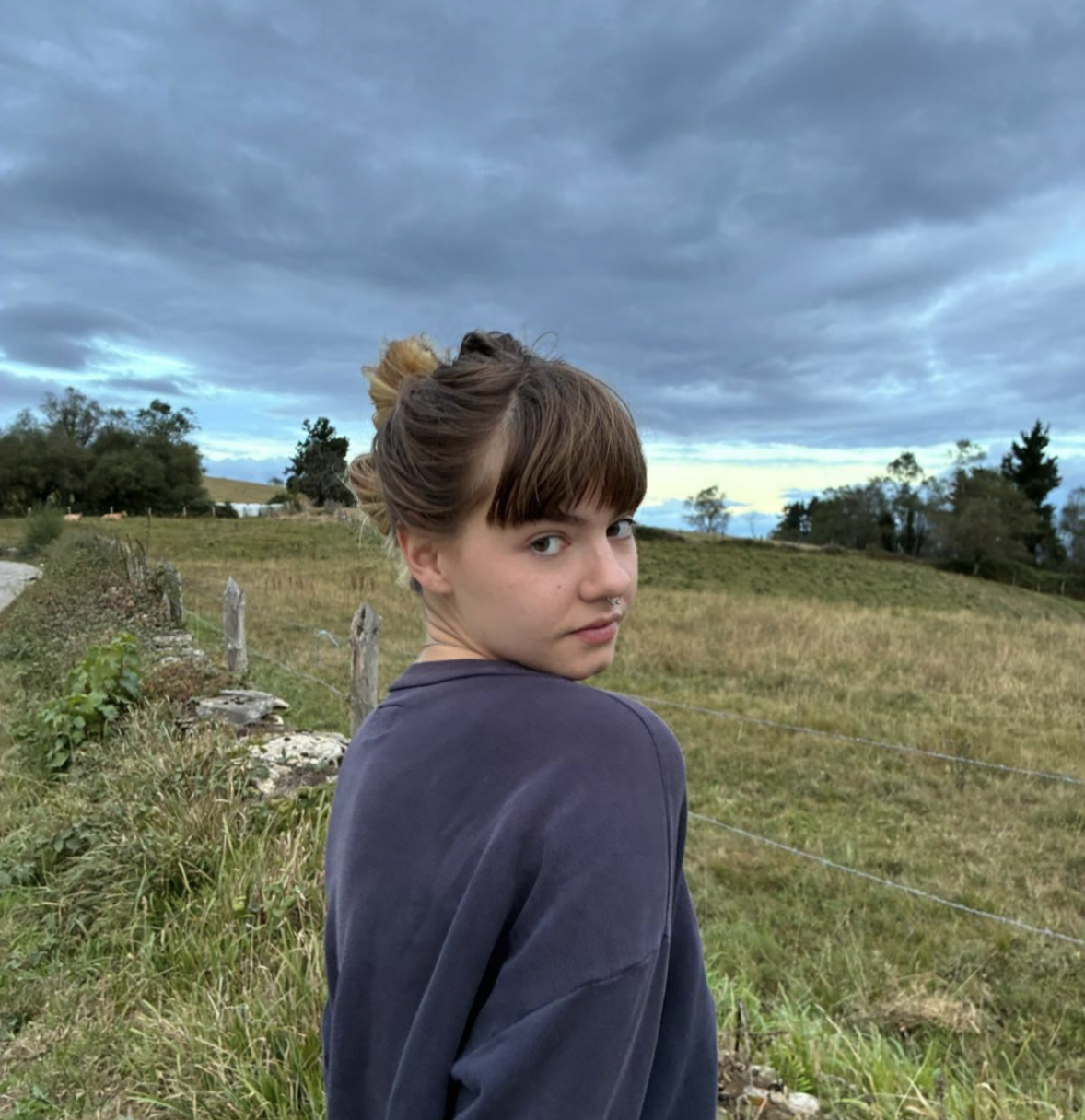 Zoe is graduating this spring with a B.S. in Oceanography and a B.A. in English, in the Creative Writing program at the University of Washington. She previously worked in a micropaleontology lab studying foraminiferal assemblage diversity in the Puget Sound, and she is currently working on her senior thesis investigating the effect of seamounts and hydrothermal plumes on phytoplankton community composition in the Mariana back-arc, where she is headed to Guam on a two-week research cruise. Also a poet and artist, Zoe is passionate about science communication and seeks to bridge the sciences and humanities. She is thrilled to be joining Mary Dinneen and Natalya Evans at Dalhousie University this autumn to study benthic iron fluxes during the transition to hypoxia in the Bedford Basin of Nova Scotia. You can contact her at zoe@friedland.us."
University of Haifa, Israel
 Gianna is a second-year Ph.D. student in the Department of Biology at the University of Mississippi working with Dr. Tamar Goulet. She earned her B.S. in marine science from the University of Florida where she was a member of the Fraser Lab. This summer Gianna will be collaborating with Dr. Buki Rinkevich from the Israel Oceanography and Limnology Research Institute in Haifa and mentoring undergraduate student Coral Pagano. Her LOREX & ME project will take place at the Interuniversity Institute for Marine Sciences in Eilat, Israel. They will be investigating coral chimera formation as a conduit for coral conservation.
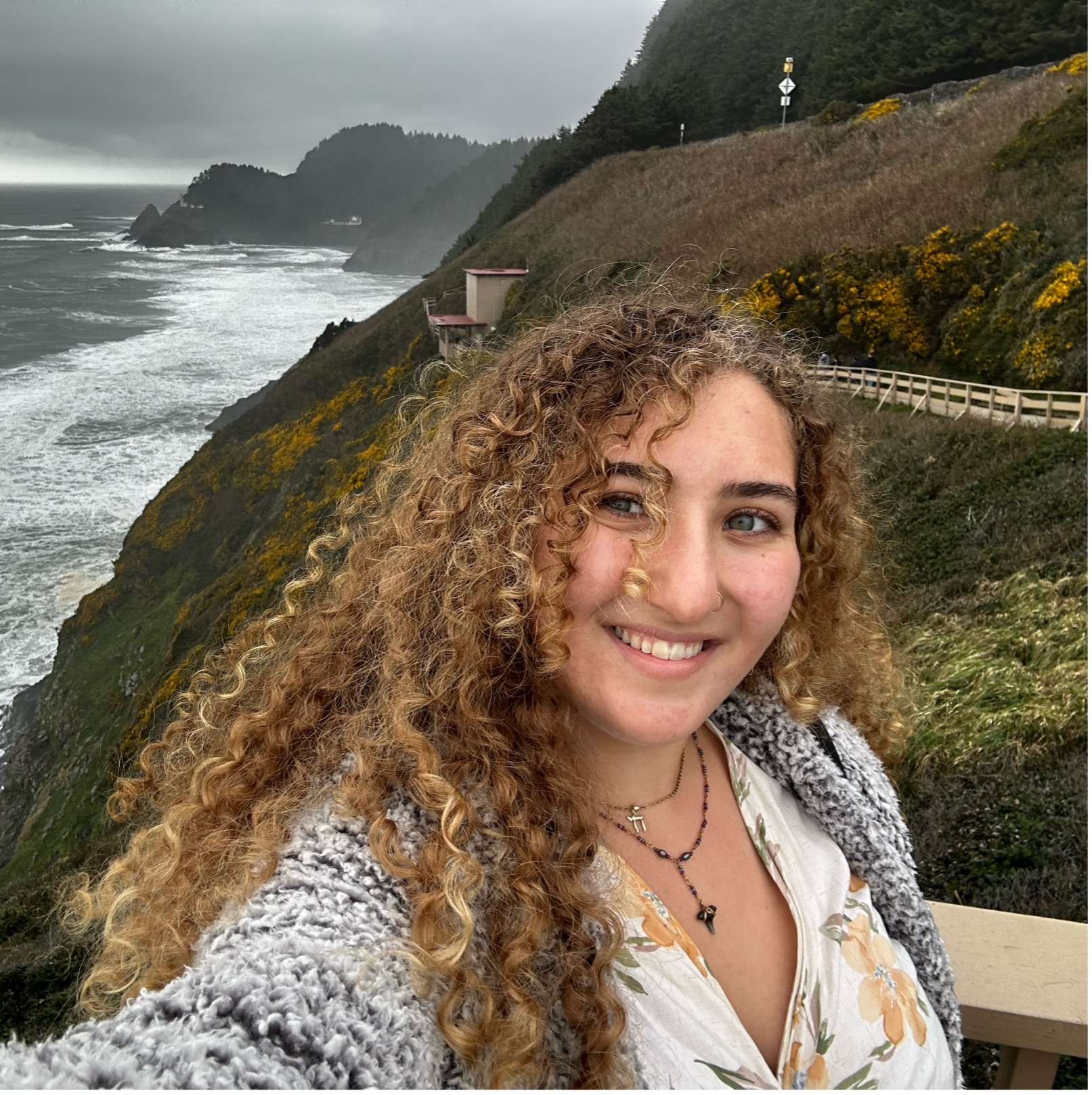 Coral Pagano is in her senior year of her B.S. in marine science at the University of Hawaii at Hilo. During her undergraduate studies, Coral led research projects focused on the benthic preferences of parrotfish, aiming to differentiate the benthic substrate needs of local Hawaiian parrotfish. She also participated in Quest, a scientific diving-intensive research program as part of the 2025 cohort, and in SeaMester, a sailing marine science program in 2019, where she studied pelagic plankton across the South Pacific. Through the LOREX program, Coral is joining Gianna Mitchell in Eilat, Israel, to study the coral reefs.
Southern Cross University, Coffs Harbor, Australia
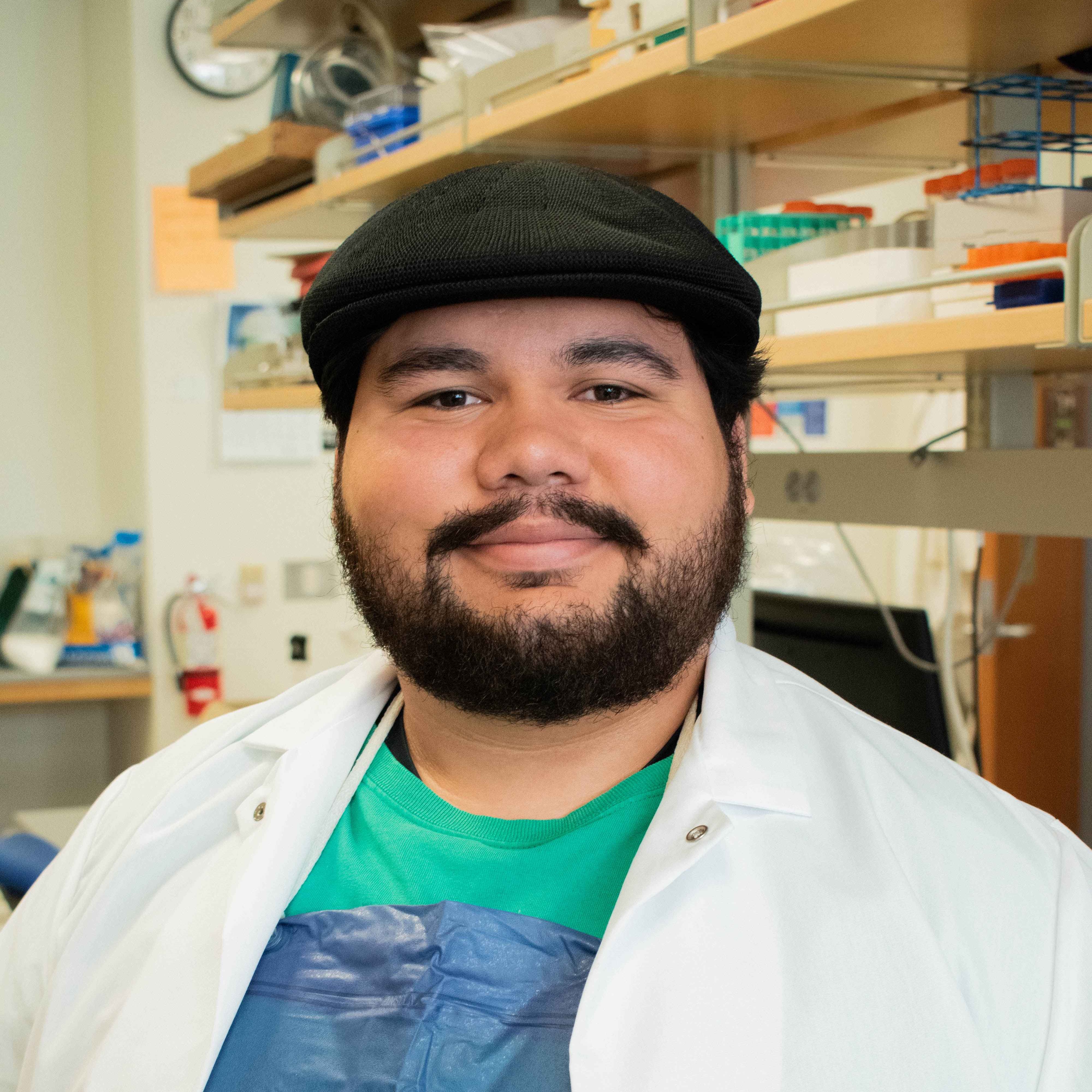 Roberto is a Master’s of Biology student at California State University, Los Angeles, where he works in Dr. Patrick J. Krug’s Sea Slug Biology Lab. His current research focuses on the taxonomy and evolution of sea slugs, particularly species within the genus Ercolania and other closely related taxa. Prior to beginning his graduate research, he developed a strong background in marine invertebrate biology at California State University, Long Beach and at the Oregon Institute of Marine Biology while earning his Bachelor of Science in Marine Biology from CSU Long Beach.
Through the LOREX-ME program, Roberto, joined by Nyrobi Whitfield, will work with Dr. Kirsten Benkendorff at Southern Cross University's National Marine Science Centre, with additional support from Drs. Steve Smith and Matt Nimbs, to conduct a taxonomic survey of herbivorous sea slugs found along the Australian coast. Using both museum and field-collected specimens, they will integrate molecular, environmental, and morphological data to identify species native to Australia and describe any newly discovered taxa. This project will deepen our understanding of global biodiversity and help clarify the phylogenetic relationships among sea slug lineages.
Having grown up in a community where opportunities in STEM were rare, with even fewer that were specific to marine biology, Roberto is excited to be part of a program that supports international collaboration; and hopes his experiences will encourage students from underrepresented communities to pursue opportunities in marine science."
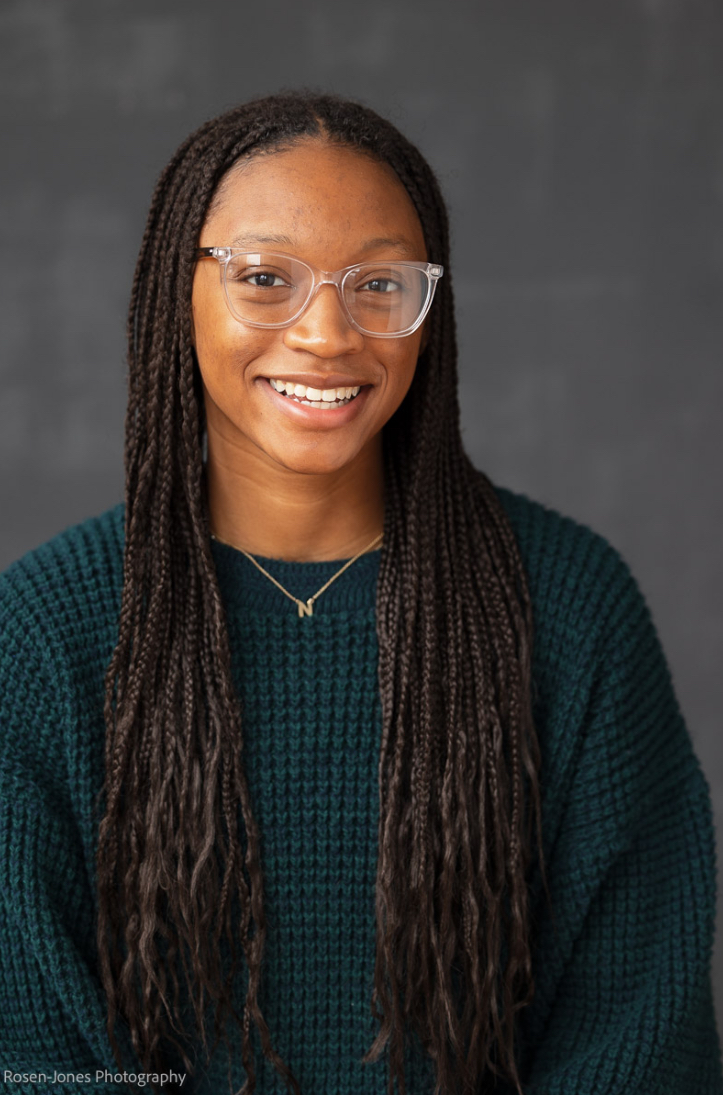 Nyrobi Whitfield is currently a senior in undergrad at Oberlin College and Conservatory, where she is double-majoring in Geosciences and Environmental Studies. During her undergraduate career, Nyrobi spent 4 years in the Oberlin Eveleth Lab researching the winter biogeochemistry of the Great Lakes as a part of the Winter Grab Initiative. She also participated in two NSF REUs, including one at the University of Connecticut-Avery Point and Mystic Aquarium, where she designed and conducted mesocosm experiments investigating competitive interactions between marine snail species in the presence of the invasive European green crab. Her second REU took place the following summer at the University of New Mexico on the Sevilleta National Wildlife Refuge, where she studied the taxonomy of freshwater snails and soil nematode trophic levels. She is also a NOAA Ernest F. Hollings Scholar, which allowed her to conduct research this past summer at the Kasitsna Bay Laboratory in Alaska, studying a unique tidal lagoon system.
This upcoming fall, Nyrobi will be starting her PhD in marine biology at Oregon State University under Dr. Bruce Menge, where she hopes to study marine invertebrate ecology and contribute to research that supports sustainable coastal ecosystem management. This summer, she is excited to work under Roberto Ponce and Dr. Kirsten Benkendorff at Southern Cross University's National Marine Science Centre to conduct a taxonomic survey of herbivorous sea slugs found along the Australian coast.
 Grace Jackson is a PhD student at Iowa State University. Her passion for community ecology spans across marine and freshwater systems. She is particularly interested in functional ecology and enjoys trying to disentangle the different roles organisms play. She utilizes the green and brown food webs to answer important questions about how ecosystem function responds to global change. As someone who lives in a heavily agricultural state, she thinks a lot about how increased nutrients from fertilizers may structure communities. She also enjoys work that reflects the strong connections between inland and coastal systems and studies the processes that influence both. The goal of her work in the LOREX-ME Program is to investigate the relationship between fertilizer and increased temperature on seagrass decomposition in a fully crossed factorial experiment. She is excited to collaborate with her host Dr. Brendan Kelaher, her mentee Molly Hennelly, and those at the National Marine Science Centre in Coffs Harbour.
 Molly is finishing up her senior year at the University of Minnesota with a B.S. in Ecology, Evolution and Behavior. She is currently working in the Cotner lab studying aquatic biogeochemistry in lakes across Minnesota. This summer, she completed her research on shifting nutrient limitations within a single season across different land use classifications. Additionally, she is the field and lab tech for Cotner Lab grad student Vanessa Czeszynski’s research on green house gas cycling and microbial metabolism while she is abroad on Fulbright. Through the LOREX-ME program, Molly will be working along side Grace Jackson in Coffs Harbour, Australia, with PI Dr. Brendan Kelaher on the biogeochemistry of seagrass decomposition. She is super excited to participate in this Program! After, Molly plans to take a gap year and look for graduate programs to continue her educational journey!
Umeå University, Sweden
Megan is 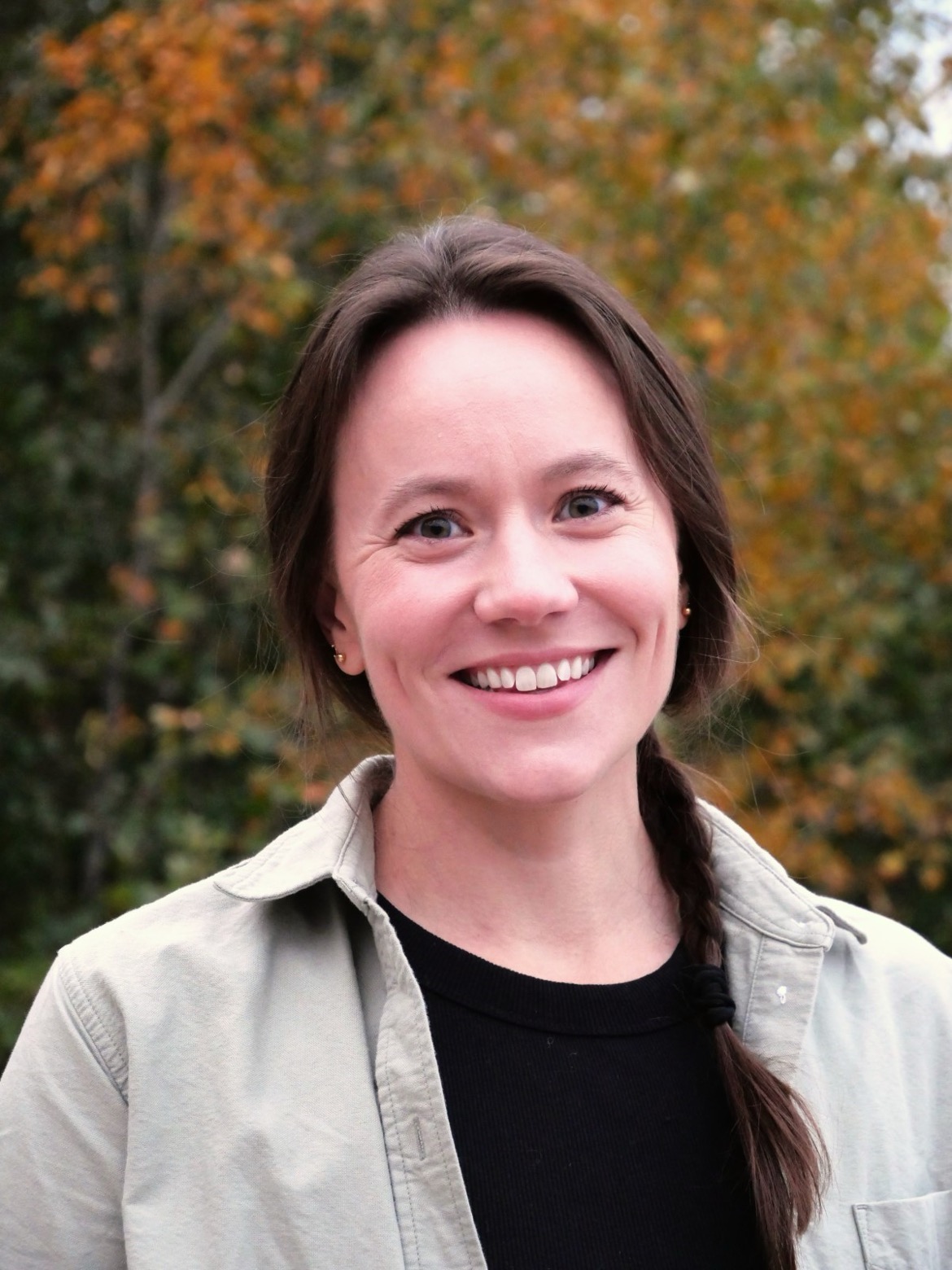 a first year PhD student at Michigan Technological University in Dr. Amy Marcarelli’s lab. After completing an MS in Biological Sciences at the University of Cincinnati, she worked on several research projects focused on carbon and nitrogen cycling in both aquatic and terrestrial ecosystems before returning to pursue her doctoral degree. Her research focuses on linkages between carbon and nitrogen cycling in freshwater ecosystems, with an emphasis on terrestrial-aquatic connectivity. Over the summer, Megan will be working with Dr. Ryan Sponseller at Umeå University. Her project will take place in the Krycklan Catchment Study in northern Sweden, where she will investigate how the availability and composition of dissolved organic matter affect aerobic and anaerobic microbial metabolism in boreal stream hyporheic zones.
Antrelle Clark
Auburn University

Antrelle is a fourth-year PhD student in the Department of Biological Sciences at Auburn University where she works in the Fish Ecology and Evolution lab under Dr. Moisés A. Bernal. Antrelle’s dissertation research focuses on understanding how different Gulf killifish (Fundulus grandis) populations respond to salinity fluctuations driven by coastal urbanization and flashiness. Her dissertation aims to answer this question by using molecular, metabolomic, and microbial approaches to determine whether populations of Gulf killifish have differing acclimatory responses to these fluctuations, and if so, whether these differences are driven by genetic divergence and/or local adaptation. Before pursuing her PhD in Marine Biology and GIS, she earned her Associate’s in Biology from Western Texas College and Bachelor’s in Aquatic Ecology from Tarleton State University. As a previous LOREX member (cohort 3), she worked with ctenophores to evaluate how their association with amoebae changes based on environmental factors under Dr. Dror Angel of the Applied Marine Biology and Ecology Lab at the University of Haifa (Israel). However, overtime her research has drastically shifted. In a period of learning new techniques and a new system, it sparked her interest in applying some of those skills in her upcoming exchange. For her new LOREX project, Antrelle will be comparing the microbial composition of invasive European minnow populations from lakes in alpine cold forested areas and temperate warm areas, in collaboration with Dr. Pär Byström, director of the Climate Impacts Research Centre.
Manuel Coffill-Rivera
University of South Alabama

Manuel is a third-year PhD student at the University of South Alabama and Dauphin Island Sea Lab in the Fisheries Ecology Lab led by Dr. Sean Powers. Manuel’s dissertation research aims to improve the management of fishery species in the northern Gulf of Mexico. To do so, his work seeks to incorporate environmental variables in the assessment of fish stocks, as well as describing the life history and habitat use of fishery species. Prior to pursuing a PhD, Manuel received his BS in Marine Science at Florida Gulf Coast University and his MS in Wildlife, Fisheries and Aquaculture at Mississippi State University. Before grad school, Manuel spent 18 months as a Biological Scientist employed by the Florida Fish and Wildlife Conservation Commission’s Fish and Wildlife Research Institute. Beyond his dissertation research, Manuel is broadly interested in fisheries science and seeks to contribute to climate-resilient fisheries management. Born in Puerto Rico, Manuel’s research interests include improving fisheries management in data-limited scenarios, as can be observed across the Caribbean region. For his LOREX project, Manuel will work with Dr. Pär Byström at Umeå University investigating the habitat use and population demographics of invasive minnows and their effects on native salmonid populations in northern Sweden.
Camille Demaire
Florida International University

Camille is a first-year PhD Student in the Earth and Environment Department at Florida International University. She is originally from Switzerland, where she earned an MSc in Animal Behavior and Chemical Ecology. She is passionate about understanding how environmental and anthropogenic disturbances affect the physiology, fitness, and behavior of aquatic organisms. With the increasing use of medications, she became particularly interested in the impact of pharmaceutical runoff on coastal fish and their habitats. Her research examines pharmaceutical contaminants in Biscayne Bay seagrass meadows, investigating their bioaccumulation, transfer through the food web, and effects on fish health and behavior. As part of her LOREX research exchange, Camille will collaborate with Dr. Brodin at Umeå University in Sweden to refine her expertise in pharmaceutical contaminant analysis, gaining specialized training to enhance her research.
Ashlyn Foster
University of California, Irvine
 Ashlyn is a first year PhD student in the Symons lab at the University of California, Irvine where she integrates her interdisciplinary experience into her research on alpine lakes. Ashlyn’s passion for the Sierra Nevada Mountains was initiated by her position as a recreational guide and has translated into an intrigue for freshwater ecology in pristine, oligotrophic lakes throughout the region. She is interested in the effects of environmental and anthropogenic disturbance on ecosystem function and composition (trophic cascades, nutrient pollution, phase shifts) and the mechanisms by which an environment can recover from perturbation. Ashlyn completed her Bachelor’s degree at University of California, Santa Barbara (Young Lab) where she worked on various projects under the scope of community ecology. During her LOREX exchange, Ashlyn will investigate the drivers of lake benthic primary productivity under the guidance of Dr. Ann-Kristin Bergström. This project will provide Ashlyn opportunities to learn valuable techniques in her field of interest and contribute to meaningful research in vulnerable Arctic lake ecosystems.
Kathy Stenehjem
Cornell University
 Kathy Stenehjem is a third year PhD candidate at Cornell University working with Dr. Meredith Holgerson. She studies aquatic biogeochemistry and limnology within freshwater ponds. Specifically, her work investigates the relationship between pond mixing frequency and ecosystem response factors like greenhouse gas production, oxidation, and emissions, and phytoplankton community dynamics. Prior to beginning her PhD, Kathy earned her B.S. in Conservation Biology & Microbiology from the University of Wisconsin-Madison and worked for two years at the USGS Upper Midwest Water Science Center in Madison, WI as a Hydrologic Technician. This summer, Kathy will be working with Jan Karlsson and his team at the Umeå University Climate Impacts Research Center in Abisko, Sweden. Through the LOREX program, Kathy will conduct a survey of mixing and greenhouse gas dynamics within ponds that range in surface area and depth near the research station.
Sara Wang
Louisiana State University
 Sara Wang is a 5th-year PhD candidate in the Department of Oceanography and Coastal Sciences at Louisiana State University. Her dissertation integrates multiple methods (including stable isotope analysis) to quantify the trophic and foraging ecology of Peruvian seabirds in relation to El Niño Southern Oscillation. During her LOREX exchange, she plans to continue her work in stable isotope ecology – focusing on lower trophic levels during this project – by using carbon, nitrogen, and hydrogen stable isotopes to assess how input of terrestrial dissolved organic matter affects resource use (i.e., the degree of allochthony) in macrozoobenthos from high-latitude lakes. To carry out this project, Sara will be collaborating with Dr. Jan Karlsson and his lab at Umeå University. The results from this project may be used to manage, mitigate, or counteract future outcomes of anticipated browning in clear-water lakes in northern Sweden.
Dalhousie University, Canada
Katryna Niva
Duke University
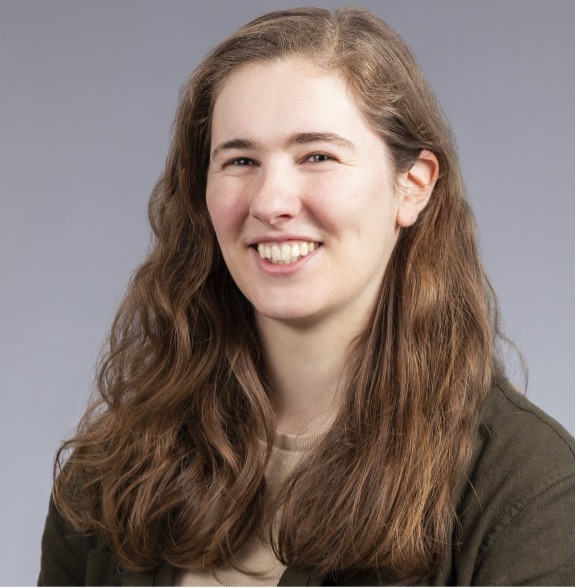 Katryna is a third year PhD student at Duke University in Dr. Nicolas Cassar’s biogeochemistry lab. Prior to her PhD, she received a her BA in Chemistry with high honors from Princeton University where she was a member of the Myneni Lab. Katryna’s dissertation work seeks to improve our understanding of how marine biology is affected by Ocean Alkalinity Enhancement (OAE). OAE is a quickly developing new strategy for anthropogenic CO2sequestration. By increasing the alkalinity of the ocean, this approach harnesses the physical capacity of the ocean to absorb atmospheric CO2 and enables net CO2 drawdown and ocean acidification remediation. Using the novel high-resolution instruments of the Cassar Lab, Katryna’s dissertation research seeks to understand how community metabolic dynamics and organismal nitrogen fixation dynamics are impacted by OAE interventions. Currently, a large-scale field trial testing OAE is underway in Halifax Bay (in direct proximity to Dalhousie University). This summer, Katryna will work alongside Dr. Julie LaRoche and her lab to improve our understanding of how this field trial is impacting the bay’s marine biology and what safeguards need to be prioritized in future OAE work to limit adverse effects. Her LOREX project will involve both lab incubations with a diazotroph isolated from Halifax Bay and in situ observations mapping the OAE field trial release site. Both these facets will be aimed at understanding how biological activity fluctuates in response to varying intensities of OAE.
GRIL - Groupe de Recherche Interuniversitaire en Limnologie, Canada
AyoOluwateso Coker
Stanford University
 AyoOluwateso is a 3rd year PhD candidate at Stanford University in the Earth System Science Department working with Dr. Scott Fendorf. She is interested in the terrestrial-aquatic continuum and impacts of extreme events on aquatic ecology. She received her master's degree from the University of Minnesota Duluth in Water Resource Sciences where she worked with Dr. Bob Sterner on erosive impacts on Lake Superior. Ayo Oluwateso is also fluent in French. She is eager for the opportunity to head to Montreal, Canada through ALSO Lorex to work alongside Prof Jean-François Lapierre.
Ellen Socha
Cornell University
 Ellie Socha is a third year PhD candidate in the department of Ecology and Evolutionary Biology at Cornell University. Ellie's research investigates how environmental changes impact lentic ecosystems. She is particularly interested in exploring how brownification, eutrophication, and changing seasons (e.g., shortening winters) shape biological communities and greenhouse gas cycling in ponds. Through her collaboration with Dr. Jean-François Lapierre, her LOREX exchange project will help her better understand how seasonal dissolved organic matter (DOM) quality varies across a gradient of ponds, and how DOM characteristics influence plankton assemblages and greenhouse gas concentrations. Ellie is super excited for her upcoming exchange working with Dr. Lapierre and other awesome scientists at GRIL!
Southern Cross University, Lismore, Australia
James Westphalen
Georgia Southern University

James is a second year PhD student at the Institute of Coastal Plain Science at Georgia Southern University. His research background is in carbon fluxes in blue carbon ecosystems. His future research goals involve using ocean alkalinity enhancement as a method of mitigating the effects of ocean acidification and storing carbon in the ocean. He is investigating how the natural weathering effects of silicate rock dust can increase alkalinity exports from coastal ecosystems, and how ocean alkalinity enhancement applications may affect target ecosystems such as salt marshes and coral reefs. James will be collaborating with Dr. Bradley Eyre at the Center for Coastal Biogeochemistry at Southern Cross University in Lismore, New South Wales to investigate carbon capture methods in applications on calcium carbonate sediments near coral reefs. This work will investigate the effectiveness of ocean alkalinity enhancement on sites across the Great Barrier Reef.
Southern Cross University, Coffs Harbor, Australia
Chelsea Fowler
University of Maryland
 Chelsea is a second-year PhD student at the University of Maryland Center for Environmental Science (UMCES), working under Dr. Matthew Gray in the Shellfish Aquaculture Innovation Lab. She holds a Bachelor's degree from The University of Tampa and a Master's degree from UMCES, where she examined the potential for high-frequency environmental DNA (eDNA) sampling to be used as a fish enumeration tool for river herring populations with Dr. Louis Plough. Prior to her graduate studies, Chelsea served as a Peace Corps volunteer in the Philippines, developing skills in science communication and collaborative project management that have informed her approach to stakeholder-driven science. Her PhD research focuses on understanding and enhancing stress resilience in Eastern oysters in the Chesapeake Bay through artificial stress enhancement for low salinity and hypoxia, potentially addressing climate change impacts on oyster aquaculture. Through the LOREX program, Chelsea will collaborate with Dr. Kirsten Benkendorff at Southern Cross University to study natural stress adaptation in a unique subpopulation of Sydney rock oysters thriving in a degraded estuary. This research involves comparing the resilience of these oysters to that of the common aquaculture strain using controlled experiments, mortality rates, and 'omic analyses. Chelsea's PhD work and her LOREX project together seek to advance our knowledge of the molecular mechanisms driving oyster stress responses under both artificially enhanced and naturally evolved resilience, leading to the identification of biomarkers and techniques to strengthen global oyster aquaculture resilience.
Nyazia Sajdah-Bey
Oregon State University
 Nyazia is a second-year PhD student in the Integrative Biology Department at Oregon State University. Her dissertation is on the impacts of climate change on the physiology of marine crab species. Prior to her PhD, Nyazia earned her BA in Earth Science at the University of Pennsylvania and served as a RAY fellow at Oceana working at the intersection of ocean science and international policy. Her LOREX project will take place at Southern Cross University in Coffs Harbour, where she will work with Kirsten Benkendorff to study how hypoxia and low salinity can alter the nutritional properties of mud crabs. She is excited to do a project relevant to human health and nutrition and hopes that her work could be used to inform fishery managers.
Umeå University, Sweden
Cheristy Jones
University of New Hampshire
 Cheristy is a third year PhD student at the University of New Hampshire in the Trace Gas Biogeochemistry Lab working with Dr. Ruth Varner. She studies landscape connectivity in the Arctic. Specifically, her research focuses on linking vertical methane and carbon dioxide emissions to lateral carbon transport and transformation in the Arctic. She aims to conduct research with local communities to help inform local and global policy decisions. Prior to her PhD she received her BA in Environmental Science with Distinction at Colorado College and was a member of the Watershed Biogeochemistry Lab working with Dr. Rebecca Barnes. This summer Cheristy will work with Dr. Jan Karlsson and his lab at Umeå University. Her LOREX project aims to characterize methane and carbon dioxide fluxes at high-spatial frequency across the Stordalen Mire catchment to better understand the mechanisms controlling carbon cycling and greenhouse gas dynamics across the land-water interface.
Dalhousie University, Canada
Lex Berger
George Mason University
 Alexis (Lex) is a fourth-year PhD candidate in Dr. Jennifer Salerno’s Integrative Microbial Ecology Lab at George Mason University. Lex's research interests cover a broad range of microbial ecology topics – from bioluminescent microbial symbioses to bacterioplankton dynamics in estuaries. Lex grew up immersed in the ocean and aquatic life in South Florida and was able to pursue their passion in marine biology and eventually fell in love with estuaries. They earned their BS in Marine Science at Eckerd College and MS in Marine Science at Nova Southeastern University. The Salerno Lab fostered the perfect opportunity to pursue Lex’s interest in estuarine ecosystems. Their PhD work is focused on characterizing the biological and functional diversity of the microbial communities found in the Shenandoah and Potomac Rivers across a range of environmental gradients. Benthic cyanobacteria, one of the communities found in these environments, have been forming harmful algal blooms and affecting Virginia for the last 20 years. Bacterioplankton dynamics in both rivers have been severely understudied and have become a major concern in water quality. For their LOREX project, Lex is working to develop an ecological model to predict the effects of changing environmental conditions on benthic cyanobacterial distribution and function using 16S rRNA amplicon and metagenome sequencing in conjunction with current and historical environmental data. To do this work, Lex will be collaborating with Associate Professor Dr. Christopher Algar at Dalhousie University. This study is part of a larger overarching effort to characterize bacterioplankton communities in the Potomac River Estuary, their response to a changing climate, and resulting impacts on biogeochemical cycling in the ecosystem. Lex looks forward to building new relationships, developing new research skills, and experiencing working internationally through this exchange.
Shaun Eisner
University of Maryland, College Park
 Shaun Eisner is working on his PhD in ocean sciences at the University of Maryland, College Park. His research interests lie in ocean physical-biological interactions and data assimilation with an emphasis on understanding the relationship between ocean circulation and the distribution of oceanic tracers, such as dissolved oxygen or phytoplankton concentration. His research is focused on understanding how sea ice retreat and it's indirect consequences (such as enhanced wind forcing and freshwater input) are driving changes to phytoplankton and their productivity, as well as understanding what this means for polar and subpolar marine ecosystems. He is also currently involved in developing a global observational analysis of ocean surface circulation that aims to be physically consistent with observations of oceanic tracers such as sea surface temperature, sea ice, and ocean color.
GRIL - University of Quebec in Montreal
Jessica Briggs
University of Wisconsin-Madison
 Jess is a third-year PhD Canidate in the Freshwater and Marine Science program at the University of Wisconsin-Madison's Center for Limnology working with Dr. Grace Wilkinson. Before pursuing her PhD, Jess earned her B.S. in Environmental Resource Management from Penn State University. Her research focuses on carbon and nutrient cycling in human-impacted aquatic ecosystems, including work on greenhouse gas production, nutrient stoichiometry, and ecosystem metabolism. She studies how biogeochemical processing rates and mechanisms change across a gradient of nutrient enrichment and how disturbances like storms events can change these processes. Most of Jess's work focuses on urban pond ecosystems in Madison, WI. Through the LOREX program, Jess will work with Dr. Yves Prairie and Dr. Paul del Giorgio at UQAM to investigate the temporal dynamics of ebullitive, or bubble-based, methane flux in two contrasting ecosystems using newly developed ebullition samplers. Jess is excited to collaborate with scientists at UQAM and the broader GRIL and experience a new type of study ecosystem!
Amanda Theall
University of New Hampshire
 Amanda is a 1st year MS student at the University of New Hampshire where she works with Professor Adam Wymore. Her current research focuses on the terrestrial-aquatic linkages of greenhouse gas dynamics in headwater stream systems. Prior to starting graduate school, she completed her Bachelor of Arts in Environmental Geology and Environmental Studies at Case Western Reserve University.
Through the ASLO LOREX program, Amanda will be working with Dr. Paul del Giorgio at UQAM on a comparative analysis of riverine greenhouse gas dynamics within three biomes: tropical, temperate forest, and boreal. She will be comparing carbon dioxide and methane concentrations between similar Strahler order streams within these three biomes. This project will further current understanding of stream carbon greenhouse gas emissions on a global scale.
Amanda is excited to collaborate internationally and expand her thesis project to include the boreal biome through the support of the ASLO LOREX program.
University of Haifa, Israel
Antrelle Clark
Auburn University
 Antrelle is a PhD student in the Department of Biological Sciences at Auburn University where she works under the advisorship of Dr. Anthony G. Moss and Dr. Moisés A. Bernal. Her research focuses on understanding the impacts climate change pose on symbiotic relationships and later down the line, the Gulf Killifish. More specifically, she uses the “notorious invader” ctenophore model to understand the diversification and dispersal patterns of comb plate attached amoeba. The LOREX program will help expand her knowledge on the correlation between climate change and diversification/dispersal patterns by providing a location outside of the ctenophores’ native territory that is known to experience high ctenophore population counts during the hotter months of the year. She is very excited to be returning to her primary LOREX research site, where she will continue learning new techniques/approaches to her dissertation, while working alongside her labmates in the Applied Marine Biology and Ecology Research (AMBER) lab under Dr. Dror L. Angel.
Jackson Vanfleet-Brown
San Francisco State University
 Jackson is completing his MS in Interdisciplinary Marine and Estuarine Sciences at San Francisco State University, California, USA. Prior to this, Jackson sailed as a bridge watch officer and hydrographer aboard NOAA Ship Fairweather where he developed an interest in ocean acoustics through operating multibeam sonars. For his thesis research, he is now training a model that classifies different species of odontocetes (toothed whales) based on acoustic features of their echolocation clicks. This research is needed to estimate population size based on sound recordings that are collected from drifting buoys used as low-cost, autonomous survey platforms. For his LOREX research exchange, Jackson will go to Israel to collaborate with Dr. Roee Diamant at University of Haifa. Their project will investigate whether ship noise has an impact on the vocal behavior of sperm whales.
Southern Cross University, Lismore, Australia
Abby Webster
SUNY College of Environmental Science and Forestry
 Abby is entering her 4th year as a PhD student in Dr. Roxanne Razavi’s Environmental Toxicology Lab at the SUNY College of Environmental Science and Forestry (SUNY ESF). Abby’s research interests can be broadly summarized as the connection and interaction between environmental and human health. For her PhD, Abby studies benthic cyanobacteria and their toxin production in the nearshore of freshwaters. Most of her work has been in the Finger Lakes in New York State (NYS), but in 2023, Abby participated in LOREX cohort 3 where she traveled to Lismore New South Wales, Australia to study nitrogen fixation by diazotrophic benthic cyanobacteria using a stable isotope tracer method. There, she found the same genus and toxin that she studies in NYS, which led to the idea for her second LOREX proposal. Abby will return to the Centre for Coastal Biogeochemistry (CCB) in 2024 to test toxicity in response to different environmental variables and in relation to their rate of nitrogen fixation. She will repeat this experiment with the population of benthic cyanobacteria she studies in NYS, offering a unique opportunity to study two toxic populations of the same genus in contrasting environments. After a truly impactful exchange at the CCB in 2023, Abby can’t wait to return in 2024 to finalize data collection for her PhD thesis and continue working with the community of excellent researchers at the CCB.
James Westphalen
Georgia Southern University
James is a first year PhD student in the Institute of Coastal Plain Science at Georgia Southern University. His research background is in carbon fluxes in blue carbon ecosystems, and his future research goals are in enhancing the natural carbon sequestration of blue carbon ecosystems using carbon capture technology. He is investigating how the natural weathering effects of silicate rock dust can increase dissolved carbon exports from coastal ecosystems such as salt marshes, and how the application of these methods may affect the target ecosystems. James will be collaborating with Dr. Bradley Eyre at the Center for Coastal Biogeochemistry at Southern Cross University in Lismore, New South Wales to investigate these carbon capture methods in marsh and mangrove ecosystems in Australia. This work will investigate the effectiveness of enhanced mineral weathering in association with the natural processes of blue carbon ecosystems.
Dalhousie University
Jordan Snyder
University of California, Santa Barbara
 Jordan is a 2nd year PhD student at University of California, Santa Barbara where she uses low-altitude remote sensing techniques to measure flow dynamics in the coastal ocean. After completing a MSc in Optical Oceanography at the University of Maine, Orono, she worked as a technician at UCSB and discovered the capabilities of remote sensing via aerial drones. Using thermal infrared cameras, she is making centimeter-scale observations of mixing and turbulence in coastal environments, namely around kelp forests and small creek outflows. This summer Jordan will join Dr. Ruth Musgrave and her group at Dalhousie University in Halifax, Canada, and contribute to their ocean alkalinity project in the Bedford Basin. Here she will quantify mixing times and surface flow fields as part of a tracer release experiment. This work will supplement her studies in California where she is testing a Particle Image Velocimetry method in combination with drone imagery to observe fine-scale mixing in the coastal ocean. She hopes to apply this technique to other physical phenomenon on the inner shelf, such as terminating internal waves in the Santa Barbara Channel and mixing at frontal zones.
Marina Fennell
University of California, Irvine
 Marina Fennell is a Ph.D. candidate working with Professor Francois Primeau in the Earth System Science department at the University of California, Irvine. Her thesis involves the development and application of a new Bayesian solver for overdetermined datasets of seawater carbon dioxide-system chemistry. Existing solvers like CO2SYS solve the exactly determined system, where only two parameters are measured. Consequently, the uncertainty results are calculated by propagation of errors. Her new Bayesian solver, QUODcarb, can handle the exactly determined or overdetermined cases. It formulates a Bayesian problem and finds the most probable CO2-system state given the measurements and their precisions. QUODcarb then summarizes the posterior probability distribution by approximating it using a Gaussian distribution, from which it draws uncertainty estimates. She intends to use QUODcarb to investigate the use of internal consistency of marine carbonate chemistry to help identify sources of measurement bias.
A good understanding of the internal consistency of marine carbon dioxide system measurements is important for tracking the ocean’s uptake and inventory or anthropogenic carbon, among numerous other fields. To continue to improve understanding of the internal consistency of independent measurements of the carbonate system, studies assess the quality of their data with overdetermined measurements. During her LOREX exchange, Marina will be working with Professor Douglas Wallace and his students and colleagues at Dalhousie University in Canada. Professor Wallace and his team have collected an overdetermined dataset that can be used in conjunction with QUODcarb to uncover new answers to internal consistency and measurement challenges currently being discussed in the ocean carbon monitoring community. A pilot application of her new solver, Marina hopes the seagoing oceanographers at Dalhousie University will provide excellent input for usability of the new solver.
Haifa University, Israel
Jeanne Bloomberg
Massachusetts Institute of Technology–Woods Hole Oceanographic Institution Joint Program in Oceanography
 Jeanne is a first-year PhD student in the Massachusetts Institute of Technology–Woods Hole Oceanographic Institution Joint Program in Oceanography. She studies the effects of coral disease and the environment on the microbial communities of tropical coral reefs. Specifically, she is interested in quantifying corals’ ability to shift their microbiomes in response to a changing habitat. Previously, Jeanne completed her M.S. in oceanography and coastal sciences from Louisiana State University. There she studied coral reproduction over depth, focusing on mesophotic reefs and their potential as refugia. During her LOREX exchange, Jeanne plans to dovetail her research interests with her work with Dr. Tali Mass at the University of Haifa. She will characterize the microbial communities of shallow and mesophotic reefs in the Red Sea, and then assess if transferring microbes from mesophotic to shallow corals in aquaria experiments can enhance coral resilience. As microbial research is under-utilized for coral restoration, Jeanne’s research can shed light on how to apply microbial information to increase the success of restoration efforts. Jeanne completed her B.S. in marine biology at from Northeastern University, where she participated in the Three Seas Program, and she was a fellow in the National Academy of Sciences Gulf Research Program Science Policy Fellowship.
Antrelle Clark
Auburn University
Antrelle is a second-year Ph.D. student in the Moss lab at Auburn University. She is a proud (Dallas) Texas native, who in her free time enjoys scuba diving, hiking, holiday decorating, taking pictures of the moon with her telescope, and spending time with her husky pup, Glacier. Before pursuing her Ph.D. in Marine Biology, she earned her Associate’s in Biology from Western Texas College and her Bachelor’s in Aquatic Ecology from Tarleton State University. As an undergrad, she studied diatoms found on the carapace and neck of the seven sea turtle species found in the Gulf of Mexico. The goals of this project were (1) to identify the diatom species found on the sampled sea turtles, (2) determine whether the diatom species preferred a certain surface on the sea turtle, and (3) to use the diatoms as an indicator for migratory patterns and health. Studying their symbiosis is what drove Antrelle’s current research interest; however, using a different model. Her dissertation focuses on understanding the cellular/molecular mechanism(s) responsible for Gymnamoebae’s successful association with the comb plates of the ctenophore Mnemiopsis leidyi and how climatic factors can influence the state of their relationship. This research topic is important to her because while there have been numerous studies on different symbiotic relationships (i.e., corals-zooxanthellae, squid-Vibrio), no studies have focused on the ctenophore-amoeba model. Through the ASLO LOREX, Antrelle will be working with Dr. Dror Angel at the University of Haifa to identify whether amoebae found on ctenophores in the Mediterranean Sea are of the same/different species as the amoebae found on the ctenophores she collects from the Gulf of Mexico. Completing this research in the Mediterranean Sea is important to Antrelle because studies have shown that the ctenophore populations found in the Mediterranean Sea originate from the Gulf of Mexico. The focus of this research centers around climate change, with the objective of seeing whether varying locations and conditions determine if amoebae (and if so, what species) can form these associations with the ctenophore. Through this program, she hopes to enhance her dissertation using the data collected, establish new connections through collaborative research, and expand her current knowledge on the model organisms she is using to study Earth’s changing climate.
Southern Cross University Lismore
Abby Webster
SUNY College of Environmental Science and Forestry
 Abby is a third-year PhD student in Dr. Roxanne Razavi’s Environmental Toxicology Lab at the SUNY College of Environmental Science and Forestry (SUNY ESF). Abby’s research interests can be broadly summarized as the connection and interaction between environmental and human health. Growing up spending lots of time outdoors with her family, Abby followed her natural love for field work while earning her BS in Biotechnology at SUNY ESF and found herself returning to aquatic research with every opportunity. For her PhD work, Abby is studying water quality in relation to harmful algal blooms and the presence of benthic cyanobacteria in lakes of New York State. Benthic cyanobacteria are far understudied compared to their planktonic counterparts, despite their ability to also produce harmful toxins. Due to this, drivers of benthic cyanobacteria proliferation and toxin production, and the role of benthic nutrients in these dynamics, are not well understood. For her LOREX project, Abby is investigating nitrogen uptake by diazotrophic (N2-fixing) benthic cyanobacteria across differing N:P ratios in sediment using a stable isotope tracer method. To do this work, Abby is collaborating with Associate Professor Joanne Oakes and Professor Bradley Eyre at Southern Cross University’s Centre for Coastal Biogeochemistry in Lismore, New South Wales. This work will enhance our understanding of nitrogen uptake by diazotrophic benthic cyanobacteria and how it changes with nutrient availability in freshwater systems. Abby looks forward to building collaborations at her host institution and with other LOREX students and exploring her interests (both research-related and non-) on an international scale.
Emmi Kurosawa
University of Massachusetts, Boston
 I am a PhD candidate from the Biology Department at University of Massachusetts, Boston. I am a carnivorous plant enthusiast and am working on the diet shift between carnivory and autotrophy in carnivorous plants. I had the honor to participate in the first LOREX cohorts and had the wonderful collaboration with the Centre for Coastal Biogeochemistry (CCB), Lismore NSW, Australia. We found correlations between the carnivory in the aquatic carnivorous bladderworts and nutrients in their habitat, using stable isotopes. The manuscript from this work is being synthesized, and will be submitted to a high impact journal soon. This will be my second opportunity working with the same team at the CCB. This time I will be measuring the trophic fractionation factor for botanical carnivory to reinforce the stable isotope mixing model we developed during the last collaboration and will address a knowledge gap highlighted by the previous work.
Umeå University
Adrianna Gorsky
University of Wisconsin-Madison
 Adrianna Gorsky is a PhD candidate at the Center for Limnology at the University of Wisconsin-Madison under the advisorship of Dr. Hilary Dugan and Dr. Emily Stanley. Her research is focused on urban waterbodies with an emphasis on water quality and greenhouse gas dynamics. In particular, one of her research topics is better understanding lake metabolism across space and seasons. Her LOREX-exchange project will help expand her knowledge of lake metabolism through a very different ecosystem in Abisko, Sweden with the Climate Impacts Research Centre. She will be working with Dr. Jan Karlsson and Dr. Ryan Sponseller, as well as additional collaborators, to explore an existing dataset of high frequency oxygen measurements from 14 lakes in the region to better understand the impacts of meteorology and a warming climate on whole-lake metabolism. She also plans to combine the data analysis with a field campaign to strengthen our understanding of the spatial variation of metabolism within a lake. Adrianna is very grateful for this opportunity and is looking forward to building relationships, developing new research skills, and experiencing a completely new ecosystem through this collaborative exchange.
Václava Hazukova
University of Maine
 Václava is a fifth-year PhD candidate in Ecology and Environmental Science working with Dr. Jasmine Saros at the University of Maine. In her dissertation research, she aims to better understand how structure and function of Arctic lakes respond to climate change by integrating interacting sentinel responses such as changing ice cover duration, physical lake structure, phytoplankton dynamics, and lake metabolism. Václava primarily studies lakes in West Greenland and for her LOREX project, she will join Dr. Jan Karlsson and his lab at Umeå University. In Sweden, she plans to build on one of her dissertation chapters in which she quantifies carbon dioxide emissions from lakes in arid landscapes of West Greenland and assess how hydrological connectivity affects the magnitude of atmospheric carbon dioxide fluxes from Arctic lakes by conducting a meta-analysis using new and previously published data.
University of Montreal
Daniel Szydlowski
University of Wisconsin-Madison
 Danny is a second-year PhD student in the Freshwater and Marine Sciences program at the University of Wisconsin-Madison’s Center for Limnology. His research focuses on the effects of external disturbance on lake structure and function through factors such as climate and invasive species. Currently, he is researching how storms affect phytoplankton in lakes through tradeoffs between nutrient loading and light limitation. He has found a relationship between the response of phytoplankton to individual storm events and antecedent winter conditions, which may “set the stage” early in the year for what occurs later in the summer. Through the LOREX program, Danny aims to study the effects of winter conditions on organic matter quality, which may ultimately be important in mediating the response of phytoplankton to summer storms. He is very excited to work with Dr. Jean-Francois Lapierre of the University of Montreal on these questions by freezing soils taken from the shorelines of Canadian lakes and investigating what these cold conditions do to organic matter quality, a question that is growing increasingly important in the face of global climate change. Overall, Danny is looking forward to spending time with the limnologists of GRIL and developing new research skills!
Meredith Theus
Cornell University
 Meredith is a PhD student in the Department of Ecology and Evolutionary Biology at Cornell University. Broadly, she is interested in aquatic ecosystem ecology, conservation, and restoration with a particular interest in connecting biodiversity to ecosystem functioning. Meredith’s research focuses on how plants mediate carbon cycling in freshwater ecosystems and on linking plant biodiversity to greenhouse gas emissions in shallow aquatic systems and wetlands. Through the LOREX program, Meredith will work with Dr. Jean-Francois Lapierre at Université de Montréal to determine the effects of litter quality diversity on dissolved organic matter quantity and quality and greenhouse gas production. She is excited to meet and collaborate with great scientists, and she is excited to learn new techniques that she can bring back with her and share with others!
Université du Québec à Montréal
Emily Martin
University of California, Irvine
 Emily is a first year Ph.D. student at the University of California, Irvine (UCI), studying freshwater communities within Dr. Celia Symons’ laboratory. Completing her BS at Purdue University in Indiana, she became particularly interested in freshwater systems while researching amphibian disease in Midwest ponds and lampricide resistance in the Great Lakes. Coming to UCI, she is interested in exploring how anthropogenic stressors shape lake ecosystems and how those freshwater systems will respond to rapidly changing environmental conditions. Her dissertation will investigate alpine lake community dynamics within the Eastern Sierra, delving into community function and assembly along spatial and temporal gradients. Through a combination of laboratory and field approaches in the Symons Lab, she will expand her knowledge of freshwater community ecology while collaborating with interdisciplinary groups.
Emily will be working closely with Dr. Alison Derry and her lab at UQAM, applying eDNA metabarcoding to predict the community impacts of intraspecific variation of stickleback fish on aquatic communities in lakes of the Kenai Peninsula, Alaska (USA). She will also evaluate aquatic community composition and relative abundances in experimental lakes where stickleback populations were reintroduced. This project will investigate and help predict potential changes in the stickleback and aquatic communities associated with their restorative introductions, progressing understanding about fish transplantations on aquatic communities and how those communities respond across trophic levels.
Overall, Emily is excited to collaborate internationally, learn new techniques on a fascinating project, and expand her professional network through the ASLO LOREX program.
Umeå University, Sweden
Climate Impacts Research Centre
Website: https://www.arcticcirc.net
Amanda Curtis
University of Illinois at Urbana-Champaign
 Amanda is a third-year PhD student in the Program in Ecology, Evolution, and Conservation Biology at the University of Illinois at Urbana-Champaign. Her previous research has examined questions around invasive species, climate change, ecotoxicology, and currently she is using environmental DNA (eDNA) as a tool for conservation. Currently, her PhD research focuses on basic methodological questions around in situ detection of eDNA, like the influence of stream flow on detection probability. In addition, she is using eDNA to detect and map the distribution of an imperiled salamander, which will hopefully be useful for directing future conservation actions. For Amanda’s LOREX project, she will be working with Dr. Jonatan Klaminder at
Umeå University, to combine paleo-ecotoxicology techniques with novel DNA technology (ancient DNA (aDNA and eDNA) to assess the effects of multiple stressors (e.g. temperature, mercury (Hg) concentrations) over time in a Swedish lake. By integrating aDNA and eDNA with paleo-ecotoxicology techniques, the work will provide a novel assessment of the effects of environmental change and contaminants on aquatic communities through time. She is very excited to work with Dr. Klaminder’s lab to learn new techniques, to exchange knowledge on Hg and eDNA methodology, and to learn as much as she can from other brilliant scientists. In addition, she looks forward to making new connections with other aquatic scientists, to learn how to build lasting international collaborations, and most importantly to have fun conducting her research!
Jemma Fadum
Colorado State University
 Jemma is a second year PhD student at Colorado State University in Dr. Ed Hall’s lab. This summer she will be traveling to Sweden to work with Dr. David Seekell at Umeå University. One aspect of limnology she is particularly interested in is the relationship between climate change and stratification and how that relationship plays out in communities dependent on local lakes. To examine the concept of stratification as a key component of lakes as natural resources, she and Dr. Seekell have proposed a synthesis of between-region and between-lake factors of two study locations, one tropical and one arctic. Though exceptionally different systems, Lake Yojoa, Honduras and the Abisko region of Sweden are both impacted by climate change in terms of warming surface waters and changes in stratification. By critically analyzing these two dissimilar systems they aim to develop a framework for asking questions aimed at the broader social and economic impacts. It is the goal of this research to not only quantitatively examine the relationship between physical-chemical structure of the water column and diminishing fisheries but also to explore the direct and indirect effects of stratification regimes on local communities. Some of the impacts they will explore through this research include job provisioning in rural communities, the equity of reparations to the Sami people under changing fisheries conditions and the reassessment of protected habitat.
Jemma is excited for the upcoming challenges and opportunities of international collaboration in an unfamiliar ecosystem. She hopes to, through learning about issues related to climate change in the Arctic, come away from this experience with the ability to more critically view her work in the tropics.
Tamara Marcus
University of New Hampshire
 Tamara is a graduate student in the Natural Resources and Earth System Sciences Ph.D. program at the University of New Hampshire. Her research interests include using bioinformatic techniques to understand the impact of warming on microbial mediation of carbon emissions from Arctic lakes. Additionally, she studies how indigenous communities access weather and climate data to better understand how to make results from climate research more accessible and applicable to individuals and communities. Using a combination of survey data and storytelling, Tamara works with Sami communities and indigenous Australians to record environmental change observed by the traditional owners of the land. Through this work, she hopes to promote the collaborative development of conservation policy by both scientists and indigenous communities. Previously, Tamara has worked with non-profits and local governments in the Indian Himalaya to translate the results of her research into local environmental policy. Tamara has been a Fulbright-Nehru fellow, a NASA New Hampshire Space Grant fellow, and a National Center for Atmospheric Research fellow and completed her B.S. in biochemistry and English from the University of Minnesota, Twin Cities.
Christine Parisek
University of California, Davis
 Christine's early work on Coast Range Newts (Taricha torosa) engendered an interest and appreciation for life-history theory and local adaptations to environmental heterogeneity. Over time, and notably through projects at the Rocky Mountain Biological Laboratory (RMBL), she became increasingly focused on high alpine freshwater ecosystems and their potential as models for testing deeper ecological questions. For her MS, Christine investigated the ecological and evolutionary dynamics of aquatic insects in lentic and lotic ecosystems in the northern Sierra Nevada in California, USA. Ultimately, Christine endeavored to advance fisheries conservation and management issues in California’s Sierra Nevada, but also other mountain lake rich portions of the globe.
Christine is currently exploring the abundance, distribution, and food web ecology of California alpine lake ecosystems in the Sierra Nevada. While a global-scale analysis has not been part of her work to date, Christine has growing interests in understanding landscape limnology patterns occurring across scales. During her LOREX exchange, Christine will work closely with David Seekell and Cristian Gudasz from Umeå University in Sweden to evaluate spatial variance in global lake counts. The analysis will also yield valuable information for use in developing similar smaller-scale analyses for California. Finally, Christine aims to make the data products, code, and provenance from her LOREX work completely open such that future researchers may benefit from efforts developed as part of this exchange.
Christine’s other interests include scientific communication, biological illustration, and she is passionate about promoting diversity, inclusivity, and equity in STEM. Her career goal is to advance the fields of limnology, freshwater ecology, and the physical sciences through multifaceted team science collaboration. Locally, Christine aims to understand the understudied California Sierra Nevada lakes and streams and support freshwater ecosystem diversity.
Phoenix Rogers
University of Alabama
 Phoenix is a central Wisconsin native, where his love for fishing turned into a passion for better understanding aquatic ecosystems. This motivated Phoenix to attain a B.S. in Biology with an emphasis in Aquatic Science at the University of Wisconsin-La Crosse (UWL). During his time at UWL Phoenix was involved in numerous projects focused on stream systems. He investigated ecosystem-level effects of methylmercury in at-risk rivers, determined the susceptibility of local streams to future climate change using air-water temperature relationships, and measured the temporal variability of whole-stream ecosystem metabolism in a nearby stream. Phoenix is now a PhD student in the Biological Sciences department at the University of Alabama working with Dr. Jon Benstead to research the impacts of warming on forested stream macro invertebrate communities and ecosystem processes they provide. Their research group is artificially warming a forested stream by ~4°C and Phoenix’s role is determining how that impacts invertebrate secondary production, community assemblage, and material flow within the stream. Aquatic macro invertebrates play a crucial role in stream ecosystems, yet little work has investigated their response to future climate change. With the LOREX program, Phoenix will be working with Dr. Ryan Sponseller at Umeå University in Sweden and expanding his dissertation to include macro invertebrate communities in arctic streams. He and his group will be using the vegetation gradient within the Miellajokka catchment of northern Sweden to model the impacts of future climate change. The natural gradient in temperature, light, and productivity represents the expected future climate induced changes. This will be used to characterize patterns in macro invertebrate composition and growth rate of key taxa amongst streams in this catchment, modeling how future climate change will impact these vulnerable arctic ecosystems. Phoenix is eager to start on this project and excited to meet/collaborate with international colleagues!
Dalhousie University, Canada
The Department of Oceanography
Website: https://www.dal.ca/faculty/science/oceanography.html
Kelly Luis
University of Massachusetts Boston
 Kelly is a PhD student in the Marine Science and Technology program at the University of Massachusetts – Boston. Her thesis focuses on using ocean color remote sensing sensors for water quality monitoring. For her proposed research project, Kelly will be working with Dr. Paul Hill at Dalhousie University to quantify river discharge from remote sensing platforms. Fluctuating river discharges are associated with climate change and other anthropogenic effects. Systematic measurements of river discharge are necessary for monitoring and managing river systems but gathering such in situ data at fine-temporal scales can be logistically challenging and costly. Publicly available ocean color remote sensing imagery from high spatial resolution satellites can be used to monitor river systems. Thus, the goal of the proposed project is to evaluate remotely sensed proxies for river discharge using the Landsat 8 and Sentinel 2 satellites. The project objectives include: 1) compiling in situ and satellite datasets over the Connecticut River Estuary, 2) comparing Landsat 8 and Sentinel 2 reflectance in the red wavelengths with river discharge, and 3) Landsat 8 and Sentinel 2 river widths to river discharge. The results from this work will help determine the applicability of remotely sensed proxies for river discharge estimation, and it will lay the groundwork for applying these proxies to other river systems.
Catherine (Catrina) Nowakowski
University of Rhode Island
 Catrina is a PhD student using stable isotopes as tracers to study how our warming climate changes marine ecosystems through bottom up processes. She is a third-year student studying Biological Oceanography at the University of Rhode Island’s Graduate School of Oceanography with Dr. Kelton McMahon and will be working with Dr. Owen Sherwood next summer at Dalhousie University in Halifax, Canada. Her thesis aims to provide historical context changes in food web regimes, biogeochemical cycling, and export production in the Gulf of Maine as a function of climate using cutting-edge compound-specific stable isotope analysis (CSIA) methods.
During her LOREX project at Dalhousie University, Catrina will apply CSIA methods to recently collected deep-sea corals (2017-2020) from the Gulf of Maine to reconstruct long term (fifty year), high resolution (annual) records of changes in export production dynamics since the 1970s. This will entail generating a timeseries of δ15N-based CSIA metrics representing source nitrogen, trophic transfer, and microbial reworking of sinking organic matter recorded in the proteinaceous skeletons of Primnoa resedaeformis corals within the context of the broader Gulf of Maine trophic biology and nitrogen cycling. While in the program, her goals are to expand on analytical skills in dating coral growth rings and analyzing samples for amino acid-specific N isotopes; as well as to develop new collaborations with colleagues interested in paleoceanography. Her research explores the dynamics of large-scale ocean systems that are not constrained by international boarders, and she is excited to work with the ASLO LOREX program to build the necessary bridges across international borders to tackle these global-scale questions.
Rachel Presley
University of Maine
 Rachel obtained her BS in Freshwater and Marine Biology from the University of Texas at Austin and her MS in Biology from the University of West Florida. Rachel’s master’s thesis examined the role of nitrogen fixation in subtropical seagrass bed sediments. She is currently working on her PhD in Oceanography at the University of Maine. Her dissertation is focused on understanding how the organic carbon to nitrate ratio, the primary controlling factor on competition between nitrate reduction processes (denitrification, anaerobic ammonium oxidation—anammox—, and dissimilatory nitrate reduction to ammonium—DNRA), affects the dominance of nitrate reduction process in the anaerobic layer of marine sediment. She conducts experiments that have sediment thin discs placed into a flow-through reactor, which acts as a chemostat, to address this problem. Rachel’s dissertation also looks at the microbial assemblages in the anaerobic, nitrate-reducing sediment layer. Additionally, she is studying nitrogen cycling dynamics in Maine’s coastal sediments in areas that experience anthropogenic impacts and unimpacted areas.
During the LOREX program, Rachel will be using data from her thin disc experiments, which aim to determine whether there are distinct tipping points along a range of organic carbon to nitrate ratios at which dominance between the three nitrate reducing processes switches as suggested by a modeling study by Algar and Vallino (2014). At Dalhousie University, she will be working with Dr. Chris Algar to develop and build inverse models to interpret these results. The model will be fit to the measured inorganic nitrogen species using denitrification and DNRA rates as parameters. This modeling exercise will allow her to determine if the energy yield and thermodynamic favorability of a reaction is or is not more important than biology and organism specific properties in determining the partitioning between nitrate reduction processes. In addition to accomplishing these research-specific goals, Rachel hopes to expand her professional network outside of the United States and establish relationships with other researchers, who she could potentially collaborate with in the future.
Interuniversity Group in Limnology (GRIL)
Montréal, Québec, Canada
Website: http://www.gril-limnologie.ca/
Lara Jansen
Portland State University
 Lara is a PhD student at Portland State University in her second year, studying the abiotic factors, such as phosphorus levels, and biotic factors, such as non-native fish, influencing cyanobacteria blooms in high-elevation lakes. She has over seven years of research experience in aquatic systems from studying pH regulation mechanisms in leopard sharks to nutrient cycling in subtropical wetlands. Lara completed her BS in Ecology, Behavior and Evolution at University of California, San Diego and Masters in Natural Resources at Humboldt State University. Over time in her research work, Lara has become increasingly fascinated by how the environment shapes community structure and function, ultimately influencing ecosystem processes like primary productivity. Through the LOREX program, she will work with Dr. Jesse Shapiro’s lab on high throughput sequencing to identify cyanobacteria at the strain level, which is crucial as toxin-production and bloom formation varies within a genus, in mountain lakes across elevational (as a proxy for temperature) and phosphorus gradients. Based upon previous studies, she expects bloom-forming and toxic strains to be more prevalent at the relatively higher temperatures and phosphorus concentrations. This collaborative project fits within a larger international study led by Dr. Shapiro, DNA sequencing cyanobacteria from many North American lakes. Lara seeks to understand how to effectively carry out a genomics project from planning to sequencing data processing. In addition, she hopes to network with the larger limnology community at GRIL -University of Montreal and learn about other unique research like the Large Experimental Array of Ponds. Ultimately, Lara is excited to lead a collaborative study, building relationships to explore new avenues of study with a combined knowledge base.
Carrie Ann Sharitt
Miami University
 Carrie Ann is a second-year graduate student at Miami University (Ohio). Growing up, she spent lots of time outdoors exploring local beaches and swamps as well as camping with her family. In undergrad, Carrie Ann majored in Biology and Secondary Education which allowed her to pursue ecology interests and also share her passions with others. Afterwards, she spent four years teaching middle and high school science in Atlanta, GA. In her free time, Carrie Ann enjoys working puzzles, reading, and a variety of crafts including photography and coloring. She also loves traveling and is currently planning a solo trip to Tanzania to visit Gombe National Park.
In terms of research, Carrie Ann is broadly interested in the role consumers play in nutrient cycling as they release nutrients such as nitrogen and phosphorus largely through excretion and egestion. Factors such temperature and population biomass are known to impact the overall amount of nutrients released from aquatic consumers. However, little is known about how parasites impact nutrient excretion from aquatic consumers; yet, parasites will increase in abundance and intensity under many climate models. Through the LOREX program, Carrie Ann aims to better understand the synergistic influence of climate warming and parasite burden on animal excretion. Working at Station de Biologie des Laurentides, pumpkinseed fish will be exposed to temperatures increases as well as various trematode infection burdens. After allowing the fish to acclimate for several weeks, nutrient excretion will be measured across treatments. A subsample of fish will also be used to understand how warming temperatures and parasites alter stoichiometry of fish body tissues. It is anticipated that nutrient excretion will increase with elevated parasite burden and higher temperatures.
Southern Cross University, Australia
National Marine Science Centre at Coffs Harbor
Website: https://www.scu.edu.au/national-marine-science-centre/
Amy Moody
University of Southern Mississippi
 Stephanie J. Wilson
Virginia Institute of Marine Science
 Stephanie is currently a Ph.D. student at the Virginia Institute of Marine Science. She is interested in marine biogeochemistry and specifically nutrient cycling in coastal ecosystems. Nitrogen is an important limiting nutrient for primary production in marine ecosystems. Her current research focuses on the sources, fates, and cycling of nitrogen in a subterranean estuary (STE) in Virginia, USA. STEs form at the coastline where groundwater is advected and mixes with overlying seawater. STEs may act as either sources or sinks of nitrogen to overlying seawater. Stephanie's LOREX project will focus on the question: are subterranean estuaries a source or sink of nitrogen to the coastal ocean? To address this question, data compiled from STE’s around the world will be used to complete a meta-analysis of nitrogen in STEs. The STEs will be grouped by features such as sediment type and location before examining nitrogen concentrations along salinity gradients to determine source or sink behavior. The outcomes of this project have important implitions regarding the cycling of groundwater nitrogen as it is discharged through STEs to the global ocean. She will be collaborating with Dr. Isaac Santos at Southern Cross University, Coffs Harbor to complete this work. As a part of the LOREX program, she looks forward to learning more about international collaboration, creating new connections with other program participants as well as colleagues at the host institution, and developing new research skills and techniques.
Southern Cross University, Australia
Southern Cross University at Lismore
Website: https://www.scu.edu.au/research-centres/centre-for-coastal-biogeochemistry
Alia N. Al-Haj
Boston University
 Alia is a 3rd year Ph.D. student at Boston University studying coastal biogeochemistry in Dr. Robinson “Wally” Fulweiler’s lab. Her dissertation focuses on methane cycling in seagrass meadows. Methane has a global warming potential 34x that of carbon dioxide on a 100-year time scale. Seagrasses play an important role in the marine carbon cycle, with a hectare burying 10x more carbon than terrestrial forests. However, there is little information on carbon lost from seagrasses via methane emissions. This information is critical when assessing the net benefit of seagrass ecosystems as a greenhouse gas sink. The few studies that have quantified diffusive methane fluxes from seagrasses report that these ecosystems are methane sources. While there are a small number of studies on diffusive air-sea emissions of methane from seagrasses, to date there is little understanding of methane transport pathways in seagrass ecosystems. Alia will be working with Dr. Damien Maher at Southern Cross University on quantifying methane transport pathways in seagrass meadows. Her goals for her time in the LOREX program include (1) determining the dominant physicaa pathway for methane transport to the atmosphere in seagrass meadows, (2) determining the dominant mechanism for methanogenesis and methanotrophy< in seagrass dominated sediments using isotopic analyses, and (3) developing a methane budget for a subtropical basin. Their results will help determine a more accurate carbon storage capacity of seagrass meadows.
Kalina C. Grabb
MIT/Woods Hole Oceanographic Institution
 Kalina has always had a strong passion for the ocean and she feels lucky to be able to combine her background in earth science and environmental engineering with her interests in oceanography. She has been able to explore this passion as a 3rd year Ph.D. student at the Massachusetts Institute of Technology and Woods Hole Oceanographic Institution (MIT/WHOI) Joint Program, in the department of chemical oceanography. Her Ph.D. focuses on reactive oxygen species (ROS), which are short-lived oxygen-containing molecules that play essential roles in the health and biogeochemistry of the ocean. Traditionally ROS production is attributed to stress within organisms, however, evidence is mounting that extracellular ROS is beneficial for organisms, including corals. Most of Kalina’s thesis is focused on the ROS dynamics associated with corals in order to better understand coral health. In order to characterize the production and decay mechanisms of ROS associated with coral, it is essential to investigate the reactions of ROS with other substances (i.e. metals and minerals) present within the environment. The LOREX program presents an opportunity for Kalina to collaborate with Dr. Andrew Rose at Southern Cross University in order to complete the first systematic study that directly explores the reaction between one specific ROS, superoxide, and Fe(III)-bearing minerals.The goal of this project is to identify other potential sources and sinks of ROS. Through this<, we can better understand how superoxide alters the redox environment and interacts with the iron redox cycle within Fe(III)-bearing minerals. This study will characterize the impact of ROS on redox conditions within the environment and places Kalina’s Ph.D. thesis research in larger context by providing an insight to the links between ROS and other biogeochemical cycles. Overall, this opportunity will provide Kalina with the opportunity to establish an international collaboration between two of the leading labs in ROS and minerology.
Josué G. Millán
Indiana State University
 Josué is a Ph.D. student from Puerto Rico at Indiana State University pursuing a degree in Spatial and Earth Sciences. His research focus is in Earth evolution, the intersection of geology and biology and the complex interactions between life and the environment. He is specifically interested in understanding the sequestration of atmospheric CO2 and the oceanic geochemical cycling of carbon. Phytoplankton forms the bases of the marine food web and plays an essential role in the oceans Carbon pump. The nature of primary productivity and phytoplankton dynamics is crucial for the management of our natural resources as well to understand what role they will play in modern climate variability. The results of his LOREX project intent to be used to validate existing biogeochemical models and provide better parameters for new ones to understand atmospheric-oceanic systems.
Since the beginning of his academic life, Josué’s goal was to become part of the nationally constant influx of Latinos in STEM that contributes and promotes a tidal wave of knowledge and positive change to our society. The current role of a scientist in society is changing and expanding. Josué has realized that his generation has the responsibility to reestablish the leading role the scientific community had in guiding our nation. Through his journey, Josué has learned that he is passionate about interdisciplinary research that brings together different scientific disciplines. The understanding of life on our planet and beyond is something that he finds amazing and stunning, with a central emphasis on the interconnections of biogeochemistry, molecular biology, and environmental processes. Hence, his research aspirations are defined by time: past, present, and future. For that reason, Josué’s research interest includes understanding the origins of life and speciation, examining the response of ecosystems to current environmental change, and the feasibility of life beyond our planet. Recently, Josué has integrated scientific advocacy to aspirations due to the importance it brings to do science with courage and determination.
Inter University Institute for Marine Science in Eilat, Israel
Eilat, Israel
Website: http://www.iui-eilat.ac.i
Ben Martin
University of Wisconsin-Madison
 Ben is currently a PhD student in the Center for Limnology at the University of Wisconsin- Madison where his thesis focuses on disturbances in aquatic food webs including the invasion of Spiny Water Flea to inland Wisconsin lakes and the decline in Great Lakes Cisco community. Much of Ben’s research incorporates geometric morphometric techniques to understand ecomorphology in fishes as well as stable isotope analysis to understand food web relationships. Ben is especially interested in applied ecological questions with an eco-evolutionary twist. Through ASLO LOREX, Ben will be studying the body morphology of Rabbitfish in both their native range of the Red Sea and their invaded range of the Mediterranean Sea. Further, using the extensive fish preserved fish collection at the Tel Aviv Zoological Museum, Ben will quantify Rabbitfish morphology changes throughout their ~60 years of invasion. Ben notes that while ecological invasions are damaging, he enjoys studying them as they are a unique opportunity to study evolution at a reasonable timescale. Ben is excited for the opportunity to apply similar techniques and ecological theory as his thesis to a vastly different ecosystem than he has previously worked in. Additionally, he looks forward to experiencing international collaboration and the student cohort community in the LOREX program.
Mallory Ringham
MIT/Woods Hole Oceanographic Institution
 Mallory is a PhD candidate in the MIT/WHOI Joint Program in Chemical Engineering, where she works on methods to study the marine carbon cycle in coastal oceans. Her thesis focuses on the development of an autonomous dissolved inorganic carbon sensor which will be deployed in an experiment to study inorganic calcium carbonate (CaCO3) precipitation in the Red Sea, as well as from a remotely operated vehicle at sea to study carbonate chemistry across deep coral reefs on the West Florida shelf. Mallory holds a Masters in Earth Sciences focused on development of the carbonate clumped isotope paleothermometer in desert soils, and a Bachelors in Physics and Chemical Engineering from Syracuse University. When she is not in the lab, she can be found roaming around Cape Cod, running, biking, and gardening as much as possible.
A fundamental pathway in the marine carbon cycle is the biological precipitation of calcium carbonate as shells and skeletons. Inorganic CaCO3 precipitation is generally assumed to be insignificant in marine carbon cycling, but laboratory experiments and observations in certain settings, like in the Little Bahama Banks, have shown that inorganic CaCO3 precipitation may occur on suspended sediments, which can enter coastal waters through floods, rivers, dust, and resuspension events. The goal of this project is to evaluate the significance of this type of CaCO3 precipitation in the Red Sea at Eilat, Israel, where warm water temperatures, high CaCO3 supersaturation, and large particle loads from the surrounding desert may trigger inorganic CaCO3 precipitation. At IUI, she will work on a coastal mesocosm experiment from which bottle samples and in-situ chemical sensors measurements (including pH, pCO2, and a newly developed dissolved inorganic carbon sensor from Woods Hole Oceanographic Institution) will allow us to track high resolution carbonate precipitation during simulated flood and airborne dust deposition events.
University of Haifa, Israel
The Leon H. Charney School of Marine Sciences, Haifa
Website: http://marsci.haifa.ac.il/index.php/en/
Jessica Hillhouse
Texas A&M University at Galveston
 Jessica started working in a phytoplankton physiology lab after she received her Bachelor’s degree in 2015. Most of the research she has been involved in up until this point has focused on the Deepwater Horizon oil spill of 2010 and the effects it had on the microbial community. She has recently decided to go back to school for her master’s degree in Marine Biology. Although her background is in oil spill research, she decided to change direction a little bit for her Master’s project. Her thesis project, done through the LOREX program, will be investigating the physiological responses of coastal phytoplankton species when exposed to the brine effluent released from desalination plants. In addition, she is interested to see if changes in water quality caused by these plants affect coastal phytoplankton communities in such a way that would negatively affect the plant itself. Desalination plants help to supplement freshwater where traditional resources can no longer sustain a population or a region. It is expected that the amount of desalination plants will increase globally as population continues to grow. As desalination plants become necessary in new locations around the world, the observations from this experiment could help predict potential changes to the affected coastal phytoplankton communities. Her goals for the LOREX program are to gain a better understanding of phytoplankton communities affected by desalination plants, and to contribute to a relatively sparse body of knowledge that is bound to become increasingly relevant as the world’s population continues to grow, and water shortages become a more common problem.
Hunter Hughes
University of Maryland
 Hunter is a Master’s student at the University of Maryland Center for Environmental Science’s Chesapeake Biological Laboratory. His thesis revolves around how coral skeletal geochemistry is used to reconstruct past ocean conditions. Sometimes referred to as ‘The Tree Rings of the Ocean’, corals produce seasonal growth bands in their skeletons. If paleo-oceanographers measure particular geochemical proxies in those growth bands, such as skeletal strontium-to-calcium ratios (Sr/Ca), they can reconstruct past ocean temperatures and better inform models that seek to predict future changes in climate. Specifically, Hunter looks at variability in seawater Sr/Ca ratios to see how small changes in local seawater chemistry can make large impacts on coral Sr/Ca-based temperature reconstructions. Through the ASLO LOREX program, Hunter will be working with Dr. Tali Mass in Haifa, Israel. There he will measure seawater Sr/Ca ratios in the Red Sea to better inform coral paleoclimate studies about the potential mechanisms and drivers for seawater Sr/Ca variability.
Prior to his master’s program, Hunter took what is commonly called a ‘non-traditional’ path to the sciences. After receiving a B.A. from Emerson College in English and Journalism, Hunter went on to work in the sales industry for two years. In the Spring of 2014, he returned to school to complete a variety of math and science courses with the goal of being admitted into a master’s program for paleoclimatology. He spent a year working as a research technician on a remote marine field station before gaining acceptance into the Marnie-Estuarine Environmental Program through the University of Maryland. He has presented this research at multiple conferences and looks forward to continuing his studies of paleoclimatology by obtaining a doctorate in Oceanography. Outside of his research, Hunter is passionate about outreach, science communication, and creative outlets for both individual and shared expression.
Alanna Mnich
University of Massachusetts-Dartmouth
 Alanna is a PhD student at the University of Massachusetts Dartmouth School for Marine Science and Technology, where she studies the interdisciplinary connection between biogeochemistry and fisheries. Before beginning her PhD studies, Alanna graduated from the University of Miami Rosenstiel School of Marine and Atmospheric Science in 2017 with majors in biology and marine science and minors in chemistry and psychology. Her undergraduate thesis research focused on identification and distribution patterns of larval cephalopods of the Eastern Caribbean during an anomalous freshwater plume year. After completing her degree, Alanna went on to work for the National Oceanic and Atmospheric Administration where she participated in research projects studying the early life history of Atlantic bluefin tuna. For her thesis work, Alanna hopes to use her background in bluefin as well as her interest in biogeochemistry to build a project utilizing signatures in seawater that can be applied to better understand life history strategies and food web dynamics. Her LOREX project will serve to achieve that goal. Alanna will be working as part of a larger study with goals to measure taxa-specific variability and the various phytoplankton C:N:P ratios in the Eastern Mediterranean Sea with regards to natural and manipulated difference in N:P supply ratio, and to determine which phytoplankton taxa of that area are the dominant drivers of local carbon export. She will be primarily focused on the manipulations of the study in the form of mesocosm experiments. This specific aspect of the project will show stoichiometric ratios of nitrogen and phosphorous in Eastern Mediterranean phytoplankton as they are subjected to varying environmental conditions.
Amanda Williams
Rutgers University
 Amanda is from New Jersey and obtained a BA in chemistry. She is currently a PhD candidate in the Biochemistry and Microbiology Department at Rutgers in the lab of Dr. Debashish Bhattacharya. For her thesis, Amanda is taking a multi-omics (metabolomic, metagenomic, metatranscriptomic, proteomic) approach in understanding coral health to aid conservation. The main goal of her work will be to identify metabolic activity linked to various forms of stress, in addition to adaptation responses, throughout the holobiont. In order to achieve this, she is currently working on identifying novel coral metabolites and their perspective gene clusters in Montipora capitata. This is the work Amanda will be continuing at the University of Haifa with Dr. Tali Mass. During her LOREX project, Amanda will be growing various coral species in the Red Sea and Mediterranean under multiple stressors (high radiation, high acidity, and elevated temperatures) to determine the metabolic response of the holobiont to future coral ecosystem conditions. Unfortunately, 25% of coral reefs are already considered damaged beyond repair because of human ignorance. It will take more than one field to correct the effect humans have had on the coral holobiont. Therefore, Amanda is also taking part in a fellowship at Rutgers designed to help communicate science by educating fellows to combine scientific knowledge with the economic, engineering, political, and outreach expertise to reverse climate change. Amanda hopes that the LOREX program can assist her in learning how to communicate and educate others on scientific or conservation issues.
Umeå University, Sweden
Sarah H Burnet,
University of Idaho
Assessing the role of sediment-released phosphorus from laboratory incubated cores to their nutrient mass balance collected across a spatial extent in artic lakes
In many lakes, internal loading of phosphorus (P) from bottom sediments contributes a large fraction to the annual whole-lake P budget and is known to significantly delay improvements of water quality after reducing external sources of P. My objective will be to test the hypothesis that P-release from sediments varies directly with location and headwater characteristics of lakes which influences their thermal stratification, metabolism, and oxygen regimes. Understanding this fraction is crucial to place whole-lake P-budgets in context for i) remediation programs and ii) to predict future changes such as those related to climatic warming. I aim to expand my north temperate data from Willow Creek Reservoir in northeastern Oregon, USA, by collaborating with the Climate Impacts Research Centre (CIRC) associated with Umeå University to measure the sediment P-release rate of laboratory incubated cores collected from a suite of lakes along a latitudinal gradient in the artic. My research in Oregon shows that the P released from replicate sediment cores collected at six spatially distinct sites varies widely (4.47 to 14.63 mg P/m2/d, even among similarly deep sites), suggesting that rates from multiple sites are needed to derive meaningful measures of internal P loading in lakes and reservoirs. This information can be used by managers to identify ‘hotspots’ to optimize in-lake treatments to reduce sediment-bound P, and by limnologists to predict changes in whole-lake P dynamics and thus the trajectory of lake communities (phytoplankton, zooplankton, nekton, etc.) and their interactions in response to large-scale changes such as those predicted to result from climatic warming.
Sierra E Cagle,
Texas A&M University
A numerical model for the investigation of mixotrophic influences on plankton dynamics in warmer, browner boreal lakes
As the climate continues to change, majorly impacting boreal lake systems, itis important to understand how climate driven factors, such as warming and increased colored dissolved organic material (cDOM) will influence the plankton communities of these systems. I hypothesize that in warmer and browner boreal lakes, decreased light from cDOM will lessen the competitive ability of purely autotrophic species, while labile components of the cDOM stimulate the bacterioplankton populations that they compete with for nutrients. And, mixotrophs may be indirectly stimulated by increased cDOM through abiotic interactions between their autotrophic competitors and bacterioplankton prey. To test these hypotheses, I propose a project where a preexisting numerical model that is mechanistically driven and based on a chemostat design is modified to accommodate incorporation of equations governing the dynamics of cDOM concentration, a bacterioplankton population, and a mixotrophic plankton population. Findings from this study may have implications for understanding how biogeochemical cycling and food web structure of boreal lakes will change in the future and contribute to our understanding of how mixotrophy, a common characteristic among harmful and noxious algae, influences these species system invading abilities.
Nicholas A. Castillo,
Florida International University
Examining the threat of contaminants to south Florida bonefish: a spatial approach
In South Florida, the recreational fishing industry accounts for a significant economic impact; within this region, the Bonefish fishery is particularly important. This fishery accounts for over half of the $8.0 billion annual revenue from recreational fishing. A decline in the Bonefish stock has been observed over the last decade. This study proposes an assessment of the threat of contaminants on Bonefish. In order to explore the threat of copper and pharmaceuticals to Bonefish, we propose a study utilizing a spatial approach asking how does exposure to key contaminants (copper and pharmaceuticals) vary across South Florida regions? We will analyze the effects of contaminants on a large spatial scale, comparing South Florida to other Caribbean basins, and on a small spatial, analyzing the presence of contaminants in prey relative to distance from shore and contaminant sources. (1) First we propose to conduct a tissue distribution study. The goal is to examine the fate of pharmaceuticals across different tissues (e.g., blood vs. muscle) (2) Second we will examine concentrations of copper and pharmaceuticals in Bonefish prey and a surrogate species in South Florida utilizing multiple transects. Recent studies have discovered elevated levels of copper contaminants in the Biscayne Bay region. In addition to the presence of copper at high enough levels to have potential physiological impacts on the Bonefish population, three previous studies detected the presence of pharmaceutical contaminants in South Florida waters. Previous work has shown that uptake of pharmaceuticals can be tissue-specific, and highlight the need to sample the appropriate tissue in order to assess the true risk of pharmaceuticals to Bonefish. Despite the documented presence of copper and pharmaceutical contaminants in South Florida, and the demonstrated potential for physiological effects on Bonefish, no previous studies have examined this topic; therein resides the justification for the proposed project.
Hannah Dye,
Louisiana State University
Influences of organic matter sources on dissolved inorganic carbon in the carbon budget of a boreal lake system
Most boreal lakes are net heterotopic and thus represent a net source of CO2tothe atmosphere. An estimated 73 Tg of carbon is transferred from these lakes to the atmosphere annually. As temperature and runoff increase with climate change, this amount can be expected to increase. Within a changing climate, northern lakes will experience increased flux of organic and inorganic carbon from surrounding terrestrial sources in both the dissolved and the particulate phase, leading to higherCO2emission. However, existing studies are not clear as to which form of carbon input—dissolved organic carbon, dissolved inorganic carbon, or particulate organic carbon—is the dominant source of CO2 emitted from these lakes. Dissolved inorganic carbon (DIC) represents the CO2, HCO3-, and CO3-2dissolved in an aquatic environment, and is thus a good measurement of CO2that will be emitted into the atmosphere or transported elsewhere. The goal of this study is to carry outex situ sediment core incubation experiments from two contrasting lakes in boreal Sweden to determine the primary source of DIC production.
Holly Embke,
University of Wisconsin - Madison
Factors associated with light availability and the effect on fish production across multiple lake-rich landscapes
Freshwater ecosystems and their fish communities are changing in response to climate, land use, habitat modifications, inputs of nutrients and other chemicals, biotic invasions, harvest, and other large-scale drivers. One of these drivers, water clarity, can greatly affect the productive capacity of fish populations by limiting light availability. Dissolved organic carbon (DOC) inputs result in large-scale variation for northern lakes and overall tend to result in darkened water color. Widespread increases in DOC in northern lakes have been reported and therefore understanding how these changes will affect fish communities is vital to predicting and managing responses to future changes. Although light availability has been established to limit fish biomass and production, the response of fish productive capacity to factors associated with light availability, such as DOC concentration, water color, and nutrient inputs, as well as interactions between these factors, are not well understood. Therefore, I propose a cross-site comparison quantifying spatiotemporal trends in the productive capacity of top consumer fish populations relative to varying factors associated with light availability. I will assess whether within specific lakes, the DOC composition is more closely linked to water color or phytoplankton production (as regulated by total phosphorus (TP)concentration). Within these lakes, I will perform gill net surveys to quantify the productive capacity of top consumers and determine if this varies in relation to factors associated with DOC. Additionally, I will quantify variation in the trophic support pathways (i.e., benthic, pelagic, terrestrial) of fish production between lakes with different light availability drivers. I will test these questions in boreal lakes of Sweden and north temperate lakes of Wisconsin, USA. Further understanding of the interactions of these factors has implications for understanding fish population productivity given varying conditions as well as the trophic pathways that support these communities within the context of a changing climate.
Allison Herreid,
University of New Hampshire
Assessing the influence of N cycling processes on greenhouse gas production in streams using steady state nutrient releases in Abisko, Sweden
Inland waters can be quantitatively significant sources of carbon dioxide (CO2), methane (CH4), and nitrous oxide (N2O) to the atmosphere due to their ability to actively process terrestrial inputs. However, considerable uncertainty remains in regional and global estimates of greenhouse gas emissions from freshwater ecosystems, particularly streams. Controls on greenhouse gas production in fluvial ecosystems, such as the influence of nitrogen (N)cycling processes, are also poorly understood. The main objective of this study is to determine how greenhouse gas flux from streams changes in response to manipulated water chemistry (i.e. increased N concentrations) through a series of steady state nutrient releases in the Miellajökka Catchment within the Abisko Scientific Research Station in Abisko, Sweden. These experiments will improve understanding of how N cycling processes affect greenhouse gas production. Developing an understanding of the factors controlling greenhouse gas production in streams can help assess and predict how fluvial ecosystems will respond to changes in climate and land use. This knowledge can be used to incorporate emissions from streams into regional and global greenhouse gas emission inventories.
Chelsea Hintz,
University of Cincinnati
Evaluating the role of natural substrate in the nutrient limitation of Arctic biofilms.
This project aims to examine how stream substrate size and composition influences the nutrient limitation of Arctic biofilm communities. This research will fill a critical knowledge gap regarding how natural substrate influences nutrient dynamics and allow researchers to accurately assess how Arctic streams will respond to continued environmental change, specifically increased nutrient availability. To elucidate how stream substrate size and composition can influence the nutrient limitation of stream biofilm communities I propose conducting a whole-stream nutrient enrichment study in a natural stream channel over several time points. Arctic stream biofilms have been found to be nitrogen-limited, and I propose to choose a subset of streams (N= 4) from Myrstenerand co-authors (2018) to examine if similar patterns of nitrogen limitation are observed on natural substrates. The distribution of substrate size would be characterized at each site to evaluate the influence of stream substrate size and composition on the nutrient limitation of biofilms. At each timepoint, nutrient uptake, primary production, respiration, and biofilm biomass will be quantified at randomly distributed locations within each reach to evaluate how nutrient limitation changes over time. I hypothesize that sites with smaller substrate will have higher and faster rates of nutrient uptake.
Marina Lauck,
Arizona State University
Influence of vegetation on net ecosystem carbon balance in subarctic mire thaw ponds
Permafrost zones in the subarctic store significant quantities of highly labile carbon. However, recent rising temperatures have resulted in the melting of significant areas of permafrost, making available the underlying, carbon-rich peat. Permafrost thawing has resulted in an increase in CO2 and CH4emissions; given the vast quantity of carbon these areas store, this phenomenon has significant implications for global atmospheric greenhouse gases concentrations. Melting permafrost results in increased greenhouse gas concentrations and creates a positive feedback loop promoting continually increasing temperatures and increasing permafrost thaw. However, a recent study of thaw ponds in the subarctic Stordalen Mire found that thaw-induced emissions, which significantly offset the carbon sink capacity of the landscape, were reduced in ponds with vegetation (Kuhn et al. 2018). This suggests vegetation may assist in the retention of carbon in these ponds following permafrost thawing. While it is recognized that vegetation can play a pivotal part in carbon emissions, the role of vegetation in carbon balance of thawing permafrost is not well understood. In the proposed research I will explore, how do mire thaw pond primary producer communities influence net ecosystem carbon balance? Particularly, I will investigate how primary producer community composition and functional characteristics of primary producer species influence the net ecosystem carbon balance of permafrost thaw ponds. Given the potential impact of these permafrost regions on global carbon cycling, and the likelihood of greater permafrost thaw in the future as a result of climate change, it is imperative that we understand mechanism influencing the changing carbon cycle regimes in these systems
Carly Rae Olson,
University of Notre Dame
Dynamic modeling of intra- and inter-regional heterogeneity in drivers of lake carbon burial
Lake ecosystems have historically been considered a ‘passive pipe’, where matter from the terrestrial environment simply moves through, ultimately reaching the ocean untransformed. This paradigm has recently been invalidated; lakes are now regarded as biogeochemical hotspots, where terrestrially-derived carbon (C)is transformed and lost, often through burial. Despite this paradigm shift, there is an inadequate, process-level understanding of the drivers regulating lake sediment C burial. In fact, this knowledge gap has led to opposing conclusions regarding the lake sediment C sink among arctic, boreal, and temperate regions. Specifically, allochthonous C dominates C burial in boreal and arctic systems as opposed to autochthonous C in temperate systems. My objective is to reconcile the observed inter-and intra-region heterogeneity in drivers of arctic and temperate lake C burial dynamics. We know that ecosystem processes such as primary production and sediment respiration directly influence the quantity and source of C that is buried. We also know that land cover and lake morphometry indirectly modulate C source through nutrient and oxygen limitation, respectively. To tackle these complex relationships, I will extend a dynamic process model that I have previously developed to explore inter-and intra-regional lake C burial. I will run model simulations across three gradients: catchment nutrients (nitrogen and phosphorus), allochthonous C load, and lake morphometry. I will then compare and contrast the relative importance of primary production, sedimentation, and sediment respiration in C burial across simulated gradients. Data from lakes in the Swedish Arctic provided by Cristian Gudasz at Umeå University and my dissertation in the temperate Midwest of the U.S.A. will be used to assess how well the model predicts patterns of C burial. The model will serve as a unifying framework to explain differences in the observed relationships in lake C burial across regions.
Stephanie Owens
San Francisco State University
Zooplankton growth in northern fishless lakes along a gradient in terrestrial organic matter inputs
In many north temperate and boreal surface waters terrestrial organic matter (tOM) inputs have increased over the past several decades. Increased tOM alters lake ecosystem functions by limiting light and introducing nutrients. It is unclear how increased tOM affects lake productivity and bottom-up control. Copepods are a good species for studying lake productivity because they are the principal trophic link between phytoplankton and fish and therefore very important in food web dynamics. In order to determine how tOM influences lake productivity we propose to measure somatic growth rates of copepods across a gradient of tOM in arctic lakes in northern Sweden. Growth rate is the key rate process in copepod secondary productivity. We will measure growth rates of the dominant calanoid copepod, Eudiaptomus graciloides, using a modified version of the artificial cohort method and an image analysis technique in conjunction with tOM concentration measurements. We will also measure chlorophyll, an indicator of phytoplankton biomass, and relate it to copepod growth rate. As tOM is predicted to increase with climate change, this research will be valuable in helping to better understand the effects of tOM on productivity and how it will affect lake ecosystems
Breena S Riley,
Tarleton State University
Photosynthesis to respiration ratios and diatom assemblages along stream lengths in northern Sweden
Investigators at the Climate Impacts Research Centre (CIRC) of Umeå University seek to understand how carbon cycles through aquatic systems. Determining stream trophic status (heterotrophic versus autotrophic) is a tool which may be used to better understand carbon cycling in streams. To date, no research describes in-stream carbon cycling and trophic status in relation to phytoplankton in northern Sweden. Diatom indices are a well-established technique to determine water quality and to elucidate trophic status. Photosynthesis to respiration (P/R) ratios are also used to determine both qualities. Tools to measure both parameters are readily available at CIRC or may be easily obtained from the student’s home institution. Three types of samples will be collected from each site: diatom samples, isotopic oxygen (18O-DO), and nutrient samples. Diatom samples will be used to determine diatom indices. Isotopic oxygen will measure P/R ratios. Nutrient samples (e.g., nitrogen, phosphorus) will determine water quality. Data collected from each site will be compared within stream sites and across streams locations to determine stream trophic status. It is predicted that streams will change from autotrophic at the headwaters to increasingly heterotrophic further downstream. Data collected from Sweden may potentially be compared to stream conditions in Texas to assess stream trophic status at a broader scale
Garrett Rue
University of Colorado
Boulder Sentinels of Change: seasonality and sensitivity of lacustrine environments to disturbance effects
Through the study of watersheds experiencing different levels of climate-driven disturbances, my dissertation explores their dynamic effect on carbon cycling, trophodynamics, and aquatic ecosystem structure. The final phase of this research expands to a larger scale within the landscape continuum, where lakes play an important, holistic role of integrating catchment response. In oligotrophic environments, such as those in arctic and alpine regions, lakes are sensitive hydrologic features where physical drivers, biota, and biogeochemical processes mediate ecosystem structure and function. The collaborative research proposed for the LOREX Program follows a 2018 winter limnology study focused on a sub-alpine lake, to include observations of the rapid period of change during spring-summer transition in an analogous arctic region, where ice cover also dominates. Building off the hypotheses from Hood et al. (2003) and the reactive transport model developed by Miller et al. (2009), this research combines these conceptual frameworks with data through which to elucidate dissolved organic matter (DOM) production and transformation. By integrating seasonal lake studies, we may clarify the competing role of physical drivers such as light availability and landscape connectivity, to biogeochemical factors such as DOM quality as well as nutrient cycling, against phenological response of autotrophic and heterotrophic communities. The FT-ICRMS analysis of samples collected during the winter experiment revealed interesting patterns of biological activity and molecular incorporation of phosphorus into the DOM pool, suggesting an evolving pool of labile carbon under ice-cover. In support of these findings, I seek to visit the Abisko Scientific Research Station to collect observations during seasonal change to quantify these shifts in lake carbon cycling to bolster this predictive model beyond the existing scope to capture critical transition periods for sensitive regions on which limited datasets exist.
Dalhousie University, Canada
Emily Chua,
Boston University
Deployment of an in situ porewater sampling system/underwater mass spectrometer in Halifax Harbor and the Bay of Fundy
The importance of permeable marine sediments in global biogeochemical cycling has recently been recognized. These sediments cover the majority of the continental shelves and act as a filter of human nutrient inputs to the coastal ocean. In particular, they are thought to be key sites of denitrification, removing reactive nitrogen from the ocean at greater rates than other marine environments. Accurate measurements in permeable sediments is no trivial task, as mechanisms such as waves and tides drive flows through the interstitial space, influencing the biogeochemistry of their porewater. This porewater advection cannot be replicated by conventional sediment sampling methods. As a result, our knowledge of the magnitude and direction of chemical fluxes in permeable sediments is very limited. To address this, my Ph.D. research is focused on developing a porewater sampler coupled to an underwater mass spectrometer which can make measurements directly in permeable sediments. My proposed research exchange project is to conduct two field deployments in collaboration with Dalhousie University in Nova Scotia with two main objectives: (1) To test my instrument in the field and guide future development, and (2) To obtain some of the first observations ever made in permeable sediment environments. The first deployment will take place in shallow sandy sediments off an island near the mouth of Halifax Harbour over a tidal cycle. Results from this test will be used to develop a denitrification estimate for the harbour. If deployment in this relatively stable environment is successful, a second deployment will be conducted in the Bay of Fundy. We will deploy the instrument at low tide and make measurements as the water depth varies to a maximum of 5 m. This test will provide insights on porewater chemistry under more extreme tidal conditions.
Eilea Knotts,
University of South Carolina
Modeling estuarine phytoplankton community responses to inorganic carbon species: simulations with changing carbonic anhydrase activity
Marine phytoplankton exist in an environment characterized with high concentrations of HCO3-and low concentrations of CO2 (aq). Phytoplankton species differ in CO2requirementsand those taxonomic differences in carbon acquisition are exceptionally important when determining the ecological interactions of phytoplankton groups. Variation in the functional trait of dissolved inorganic carbon uptake suggests that there is a capacity for future changes in phytoplankton communities to increasing atmospheric CO2 over the next century. Indirect effects of ocean acidification on productivity and composition of planktonic species may have long-term impacts on trophic interactions between planktonic food sources and higher-level coastal organisms. A collaboration with Dr. Finkel at Dalhousie University would provide the opportunity to answer questions about shifts in marine phytoplankton community structure and productivity due to changes in seawater carbonate chemistry. The main purpose would be to create a sub-model that includes the uptake preferences and carbon acquisition strategies of major estuarine phytoplankton. A focus of the model would be on carbonic anhydrase activity, a component of carbon concentrating mechanisms which actively accumulated inorganic carbon significantly greater than concentrations in the bulk seawater environment. This sub-model could then be integrated into existing ecological models that look at phytoplankton productivity and composition. The model would be parameterized using traits from my own work, the literature, and an experiment conducted in Dr. Finkel’s lab investigating elemental stoichiometry and macromolecular content. The Finkel lab at Dalhousie University is already arranged for those analyses and a further collaboration with Dr. Andrew Irwin in the Math and Statistics department at Dalhousie University makes this project realistic and achievable.
Jeffrey Nielson,
Washington State University Vancouver
Internal wave dynamics, breaking, and mixing in a small eutrophic lake
Internal waves are common in lakes and oceans, where they can mix and transport heat, nutrients, and pollutants, with possible consequences for sediment transport, biogeochemistry and ecology. Using high-resolution observations of temperature and velocity, we propose to examine the dynamics of internal waves propagating and breaking above a sloping lakebed. Observations reveal a remarkable variety of internal wave forms within just 1 m of the lakebed. We identify four different wave forms: intensely breaking bores, undular bores, solitons, and non-breaking cold fronts. Observations of near-bed currents and wave propagation speeds, as well as “offshore” wave amplitudes, will be used to identify the factors controlling wave form. Propagation speeds will be compared with simple linear theories for waves reflecting from a sloping bed. Finally, estimated turbulent energy dissipation rates and buoyancy fluxes will be compared across the different waveforms during both upslope and downslope flow, to evaluate the importance of internal waves to boundary layer mixing
Wiley Wolfe, Scripps Institution of Oceanography
Integration of prototype sensors into the SeaCycler profiling mooring
The net flux of carbon dioxide (CO2) gas into the global ocean, driven biologically by net community production (NCP) and by physical forcing, helps to reduce the effects of climate change by removing CO2from the atmosphere. Currently, assumptions need to be made to constrain the air-sea gas fluxes and NCP with in-situ measurements because available sensor technology cannot observe all quantities necessary to close these mix layer budgets. With recent developments in sensor technology, a combination of sensors, some still in prototype form, when integrated into a moored profiling platform (the SeaCycler) simultaneously determine NCP and the air-sea flux of CO2. Deployment to test the SeaCycler and the integrated prototype sensors in the Labrador Sea (LS), an area of particular importance to global carbon budget uncertainties, is the culmination of multiple NSF funded projects and collaboration between Dalhousie University (Dal) and the Scripps Institution of Oceanography (SIO). Included in the deployment testing is the integration of two of the prototype sensors, the self-calibrating SeapHOx, and the in-situ dissolved inorganic carbon (DIC) sensor, both developed in the Martz lab of which I am a member. In preparation for this deployment, if I am a recipient of the LOREX, I would work to integrate both prototype sensors into the SeaCycler system at Dal.
Matthew Woodstock. Florida International University
Phytoplankton and detritus biomass estimates in the mesopelagic Gulf of Mexico as a function of seasonality
The Gulf of Mexico is an oceanic region of economic importance because of human activities, such as: commercial fisheries and oil exploitation. The fishes and squids of the mesopelagic zone (200 –1000-m depth) are prey to commercially important consumers (e.g., tuna and billfishes). The 2010 Deepwater Horizon oil spill (DWHOS) threatened the biota of the mesopelagic ecosystem, as well as the epipelagic and neritic zones. The area seaward of the DWHOS site has been sampled intensely through trawl surveys over the past eight years, improving our understanding of the organisms that live from the surface to 1500-m depth. Much of these data have been centered on higher trophic levels (e.g., macrozooplankton and micronekton). However, data for the lower trophic levels (i.e., phytoplankton and detritus estimates) are scarce. Phytoplankton and detritus estimates that do exist for the oceanic Gulf of Mexico do not often account for seasonality. However, the proximity of the Mississippi River to the most intensely studied region after the DWHOS suggests that nutrient concentrations and the subsequent primary productivity of the region change on a seasonal basis. Through a collaboration with Dr. Katja Fennel and Dalhousie University three objectives will be examined: 1) the phytoplankton biomass will be estimated for the oceanic northern Gulf of Mexico seaward of the DWHOS site on a seasonal basis, 2) with these phytoplankton estimates, the detritus stock of the top 1000 m within our study site will be estimated, and 3) phytoplankton and detritus stocks will be assimilated into a mass-balanced ecosystem model that is currently being developed for the mesopelagic Gulf of Mexico.
Southern Cross University, Australia
Trista McKenzie,
University of Hawaiʻi at Mānoa
Unravelling wastewater leakages to coastal waters under future sea levels
Sea level rise (SLR) is currently impacting coastal infrastructures worldwide during tidally-driven nuisance flooding. Many of the world’s largest and densest cities are located on coastline sand have aging wastewater infrastructure that were designed overlooking SLR. Sydney Harbour, Australia suffers from wastewater pollution, and submarine groundwater discharge (SGD)has not yet been investigated as a mechanism for wastewater delivery to the bay. Wastewater is enriched in organic matter and a number of pollutants. Wastewater leakages to groundwater may eventually reach surface waters, promoting pollution, but this has not previously been directly investigated. I propose to study wastewater-enriched SGD using a combination of pharmaceuticals, naturally occurring groundwater tracers (radon and radium), greenhouse gases (GHGs), and stable isotopes (δ15N-NO3-and δ15N-N2O). The field portion of the study will be conducted in two phases during high spring tides as a proxy for future sea levels: (1) an initial radon, GHG, and pharmaceutical survey to map locations of SGD and wastewater discharge, and (2) radon and GHG time-series at three locations determined to have wastewater input and three baseline control locations. These locations will also be sampled for pharmaceuticals, radium, nutrients, and δ15N-NO3-and δ15N-N2Oat low and high tide. This study will result in differentiation between wastewater-enriched SGD and “baseline” SGD-derived wastewater in Sydney Harbour. This study is important because it addresses SLR-driven wastewater and SGD fluxes and would be the first to illuminate the mechanism of tidally-driven wastewater-enriched SGD-derived pollution. The methodology used in this study ideally will be used as a model for projecting future impacts of SLR on wastewater infrastructure of coastal communities worldwide
Southern Cross University, Lismore, Australia
Hannah Glover,
University of Washington
Physical impacts of mangrove removal: re-evaluation of sediment characteristics and transport on intertidal surfaces >10-years after mangrove removal in Tauranga Harbor, New Zealand
Low-lying coastal regions throughout the world are densely populated, economically valuable, and vulnerable to sea-level rise and natural disasters. Mangrove forests increase the resilience of tropical coastlines to erosion or inundation by retaining sediment and damping waves. There is a pressing need to understand how landforms will change as mangrove forests are removed for agricultural expansion. However, it is often challenging to collect field measurements to quantify sediment transport and deposition in mangroves, especially over multiple years. A mangrove removal project in the Waikaraka Estuary of Tauranga Harbor, New Zealand has provided an opportunity to study decadal-scale changes associated with deforestation. Beginning in 2005, mangroves were removed to reduce fine sediment retention in the harbor. The sediment dynamics were assessed in forested, cleared, and naturally unvegetated tidal surfaces of the estuary during the removal period. Initially, fine sediment was flushed out of the cleared region, but tidal flats were still predominantly muddy. The same measurements will be collected now, >10 years after removal. The character and organic content of sediment will be assessed in subsampled, 1-m cores. Sediment traps will be deployed to measure the composition of transported sediment, and deposition rates will be measured using horizon markers. It is hypothesized that continued mangrove root decomposition and storm activity would have removed fine material, resulting in an overall coarsening of tidal surfaces. These field measurements will provide validation and constraints for models of coastal change associated with mangrove removal. This project will simultaneously aid in developing skills and relationships which will be leveraged for future international research. Many vulnerable coastal regions are located in developing or politically turbulent countries with limited access to scientific resources. Collaboration and scientific exchange will be critical for keeping pace with the many challenges that sea-level rise will bring.
Johannes R. Krause,
The Academy of Natural Sciences of Drexel University
The effect of episodic seagrass cover on carbon sequestration and mineralization in estuarine sediments.
Low-lying coastal regions throughout the world are densely populated, economically valuable, and vulnerable to sea-level rise and natural disasters. Mangrove forests increase the resilience of tropical coastlines to erosion or inundation by retaining sediment and damping waves. There is a pressing need to understand how landforms will change as mangrove forests are removed for agricultural expansion. However, it is often challenging to collect field measurements to quantify sediment transport and deposition in mangroves, especially over multiple years. A mangrove removal project in the Waikaraka Estuary of Tauranga Harbor, New Zealand has provided an opportunity to study decadal-scale changes associated with deforestation. Beginning in 2005, mangroves were removed to reduce fine sediment retention in the harbor. The sediment dynamics were assessed in forested, cleared, and naturally unvegetated tidal surfaces of the estuary during the removal period. Initially, fine sediment was flushed out of the cleared region, but tidal flats were still predominantly muddy. The same measurements will be collected now, >10 years after removal. The character and organic content of sediment will be assessed in subsampled, 1-m cores. Sediment traps will be deployed to measure the composition of transported sediment, and deposition rates will be measured using horizon markers. It is hypothesized that continued mangrove root decomposition and storm activity would have removed fine material, resulting in an overall coarsening of tidal surfaces. These field measurements will provide validation and constraints for models of coastal change associated with mangrove removal. This project will simultaneously aid in developing skills and relationships which will be leveraged for future international research. Many vulnerable coastal regions are located in developing or politically turbulent countries with limited access to scientific resources. Collaboration and scientific exchange will be critical for keeping pace with the many challenges that sea-level rise will bring.
Emmi Kurosawa, University of Massachusetts
Nitrogen stable isotopes in Australian Utricularia as an early indicator of eutrophication.
The genus Utricularia is a carnivorous plant that occurs in nutrient-poor wetlands. This genus of carnivorous plants uses bladders to trap and digest small invertebrates as a source of nitrogen to compensate the lack of nutrients in its habitats. There are currently59 known Australian species which comprises ~25% of the world population. Utricularia in Australia are of particular importance, because as much as 75% of the native species are strictly endemic,and form their own phylogenetic clade. Unfortunately, due to the introduction of excess nitrogen and other nutrients from livestock farming and crop fertilizers, these plants and their fragile habitats are disappearing fast. However, it is unclear exactly how such nutrient enrichment will affect how the plants themselves process nutrients. This is a critical research gap because Utricularia may depend primarily on carnivory under ‘pristine’ water conditions, but are known to drop their trap sand switch to photosynthetic energy when the water quality declines. I hypothesize that they may shift their nutrient intake from prey to the environment. I therefore propose that Utricularia could be used as an early indicator for eutrophication by measuring shifts in their isotopic composition (휹15N values). The proposed collaboration with the Centre for Coastal Biogeochemistry, NSW, Australia will enable me to master these isotopic techniques and apply them to Australian native Utricularia in waterways with varying degrees of eutrophications. The outcome of this collaboration will form the foundation for future research into Utricularia specifically and Australian wetland habitat degradation more broadly.
Angelique Rosa-Marin,
Florida Agricultural and Mechanical University (FAMU)
Implementation of the foram index in coral larvae relocation sites at Philippines’ Islands
In the Philippines’ Islands, more than the 90% of coral reef ecosystems have been negatively affected mainly by anthropogenic inputs (e.g., overfishing and blast fishing). Agencie had to declare a "reef degradation" status in the archipelago. Hence, a better understanding of the health of the reefs from the Philippines’ Islands is a priority for improving stakeholders' decisions in support to resources managers for proper management actions. Given that, the settlement of coral’s larvae has been occurring and resulting in a positive management methodology to proliferate corals growth in degraded reefs. However, a monitor tool that can evaluate the settings conditions, and suggest the further coral development is necessary. For this reason, the application of ecological indexes such as the FORAM Index (FI) as a bioindicator tool can address the reef conditions. FI has been applied worldwide (e.g., Caribbean, Australia, and the Mediterranean). The FI is a method used to determine the water quality of the reef's surroundings using foraminifers as indicators; FI values will reflect the actual reef conditions and will suggest further development in the ecosystem. In our experiment, we will assess the larvae relocation areas from the Philippines Islands using the FI as an indicator tool and determine water quality parameters(e.g., pH, DO, PO4, chlorophyll-a). Methodologically, the locations were experimental larval relocation in the Bolinao-Anda Reefs Complex will be sampled. At each station water and sediment samples will be collected to measure the variables mentioned before. Our results will measure the effectiveness of the FI, determine which water quality parameters(s) are or could affect the coral survivorship, identify current reef conditions; and will contribute to resources managers with a rapid and cost-effective biomonitoring tool to improve management efforts
Rachel Weisend,
Texas A&M University
Comparing active microbial communities in mangrove sediments
Mangrove wetlands can store carbon that can be transformed into methane and other greenhouse gasses. Microbial communities are susceptible to shifts due to climate change; largely driving the carbon cycle within the sediment. An increase in seasonal rain, droughts, and warming winters can alter the vegetation distribution, and structure of the coastline; therefore, cause the microbial community structure and function to adapt in response. Shifts in microbial activity and abundance will subsequently cause geochemical cycles to fluctuate. It is vital to understand how microbes impact geochemical cycling in mangrove sediments in order to understand how this will impact changing coastlines. This project will investigate changing microbial communities with respect to geochemical cycles by collecting sediment for the following analyses: A) RNA/DNA extractions that will identify the active and total microbial community, respectively; B) methane headspace analyses to identify the flux of methane from the sediment column; and C) porewater analyses using colorimetric methods to investigate biogeochemical cycles in context of the carbon cycle. These three analyses will be useful for investigating the metabolisms of the active microbial communities and their relation to gas emissions. This project aims to compare mangrove systems in the southern atmosphere to previously sampled systems in the northern hemisphere. Statistical analyses of all data will be conducted to compare changes in geochemistry and the microbial community structure. Alpha, Beta, and Gamma diversity analyses for microbial communities will be determined. Links will be made between community structure and rate measurements using multivariate analyses (e.g., singular value decomposition, ANOVA). By understanding what drives microbial function, and therefore methane emissions, future predictions can be made regarding methane flux in mangrove ecosystems.
Keiko Wilkins,
Miami University
The effects of increased temperature on the feeding rates of coral reefs in the presence of high DMSP phytoplankton
As a consequence of climate change, coral bleaching has become widespread. Specifically increases in temperature have been shown to lead to the breakdown of symbiosis between corals and their symbionts. Within a healthy coral, Dimethylsulfuloniopropionate (DMSP) is produced and thought to have roles in coral thermoregulation, chemoattraction, osmoregulation, and antioxidant response. DMSP has also been found in macroalgae as a predation deterrent against microzooplankton, mainly protists. These findings raise questions about the effect that both climate change, specifically elevated temperatures, and high DMSP in macroalgae may be having on the effectiveness of coral feeding on this macroalgae. To gain a better understanding of coral feeding rates on phytoplankton with high DMSP and elevated temperature, a series of coral tanks will be set up to manipulate temperature and the presence or absence of high DMSP with phytoplankton. These experiments will be used to test the hypotheses that 1) high DMSP in phytoplankton will lead to low feeding rates of coral and 2) the addition of elevated temperature and high DMSP will lead to lower feeding rates of coral. The results of this study will help to better inform the ways in which climate change may be negatively affecting coral reef communities globally.
Inter University Institute for Marine Science, Eilat, Israel
Ashley Brooke Cohen,
Stony Brook University
Aeolian reactive metal-driven microbial elemental sulfur disproportionation in low organic carbon sediment
Microbially-mediated elemental sulfur (S0) disproportionation significantly affects the stable isotope relative abundances in and the production of sulfate (SO4-2) and sulfide (S-2). However, this reaction is only energetically favorable under anoxic conditions when there is enough reactive iron or manganese to “scrub”S-2. For modern global geochemical mass balances or budgets, this phenomenon is thought to be restricted to permanently stratified water columns or coastal sediment with high fluxes of organic carbon (OC), and therefore is not considered significant. However, recent work by Blonder et al. (2017) on low-OC sediment underlying relatively deep water in the Gulf of Aqabaraises the possibility that high fluxes of aeolian reactive iron and manganese can fuel microbial S0disproportionation in a more widespread marine environment. To determine the impact of S0disproportionation on the production and consumption of sulfur species, microbial C production, and sulfur stable isotope signatures, it is critical to take in-situ rate measurements, as products and reactants may be turned over so rapidly that they are not detectable by chemical profiling. I propose an in-situ incubation study that will simultaneously: determine sulfur species and reactive metal concentration rate measurements, which reactive metal (if any) better promotes S0disproportionationby serving as a S-2sink, and link the S0disproportionation reaction stoichiometry determined through those rate measurements to changes in sulfur stable isotope signatures of S0, S-2, and SO4-2. To calculate biovolumes and ultimately how much biomass carbon is being produced per mole S0, disproportionate r cells will be fluorescently labelled with a probe specific to their 16S rRNA; the probe will be designed through Stable-Isotope-ProbingDNA.
Connor Love
University of California, Santa Barbara
Compound-specific stable isotope analysis to enhance in situ coral monitoring
Reef-building corals meet nutritional needs by fixed organic carbon from their photosynthetic endosymbionts Symbiodinium and heterotrophic feeding on particles, zooplankton and dissolved organic carbon in the water column. While a great deal of coral research has focused on the symbiosis, the importance of coral feeding in supplying carbon and nutrients (nitrogen and phosphorus) to the holobiont has become increasingly clear. Feeding acts as a mechanism for nutrient and carbon supply for biomass growth and reproduction and may become necessary for survival under “non-normal” conditions such as low-light, eutrophication, and elevated water temperatures that cause bleaching. Yet detailed metabolic feeding studies are often restricted to the laboratory, and in situ monitoring measurements are typically too coarse to discern key physiological processes that occur in changing environments. Here I propose the development of compound-specific isotope analysis (CSIA) of amino acids for in situ coral monitoring.The15N/14Nand 13C/12C ratios within essential and non-essential amino acids in one coral tissue sample can provide information on the source of the nitrogen and carbon, the feeding strategy of the coral (% of biomass nitrogen and carbon heterotrophically acquired),and detailed resource allocation within the symbiosis. I propose to develop this low-effort sampling for long-term monitoring by ground truthing the CSIA measurements with parallel bulk-tissue isotope measurements of the coral animal, Symbiodinium and community food web endmembers to supply source isotope signatures. CSIA and bulk-tissue analysis will be done for several coral species (roughly one per morphology type) across an environmental gradient and in parallel with “typical” coral monitoring measurements to uncover patterns between “typical” measurements and results from CSIA analysis across taxa and environmental gradients. Additionally, I plan to develop and disseminate this method for broad utilization by the National Science Foundation Long Term Ecological Research Network.
University of Haifa, Israel
Elena Forchielli
Boston University
Using models, experiments and field work to map metabolic interactions in synthetic and natural marine bacterial ecosystems
Microbial communities catalyze biogeochemical cycles across Earth’s compartments and perform crucial ecosystem functions impacting all forms of life. The power of communities to influence global-level processes derives from the collective action of individual species; therefore, to understand the effects of communities, we need to understand how bacteria interact within them. Predicting microbial community behavior based on the identity and relative abundance of species present is one of the outstanding challenges in microbial ecology, especially for highly complex, dynamic ecosystems. The overarching goal of this project is to systematically predict cross-feeding interactions between marine heterotrophic bacteria based on their genome sequences, testing these predictions in laboratory co-cultures and in the ocean. My current work in the Segrè lab is focused on using metabolic network reconstructions to bridge the gap between genomics and microbial community function. To this end, I use genome-scale computational models in concert with systematic laboratory experiments to predict the nutritional requirements and metabolites produced by a diverse set of heterotrophic marine bacteria, and whether these features can predict syntrophic relationships between different species. The goal of this LOREX project is to move beyond the laboratory, and test our ability to resolve metabolic interactions in natural marine microbial communities using a combination of field observations and bottle incubation experiments involving marine samples from the Eastern Mediterranean. Only through a “cross-scale” understanding that unites modeling approaches with oceanography might we be able to anticipate how microbial populations respond to changing environments and how they affect major biogeochemical processes in a rapidly evolving world.