
By Coral Pagano
Hi everyone! My name is Coral Pagano, and I'm reporting live from Eilat, Israel — the very southern tip of the country, right on the Red Sea. I recently graduated with my bachelor's degree from the University of Hawaii at Hilo, and I'm here as a mentee in ASLO's LOREX ME program, working under Gianna Mitchell. Together, we're studying coral dwellers (Figure 1) and their relationships with a local coral species in the Red Sea.
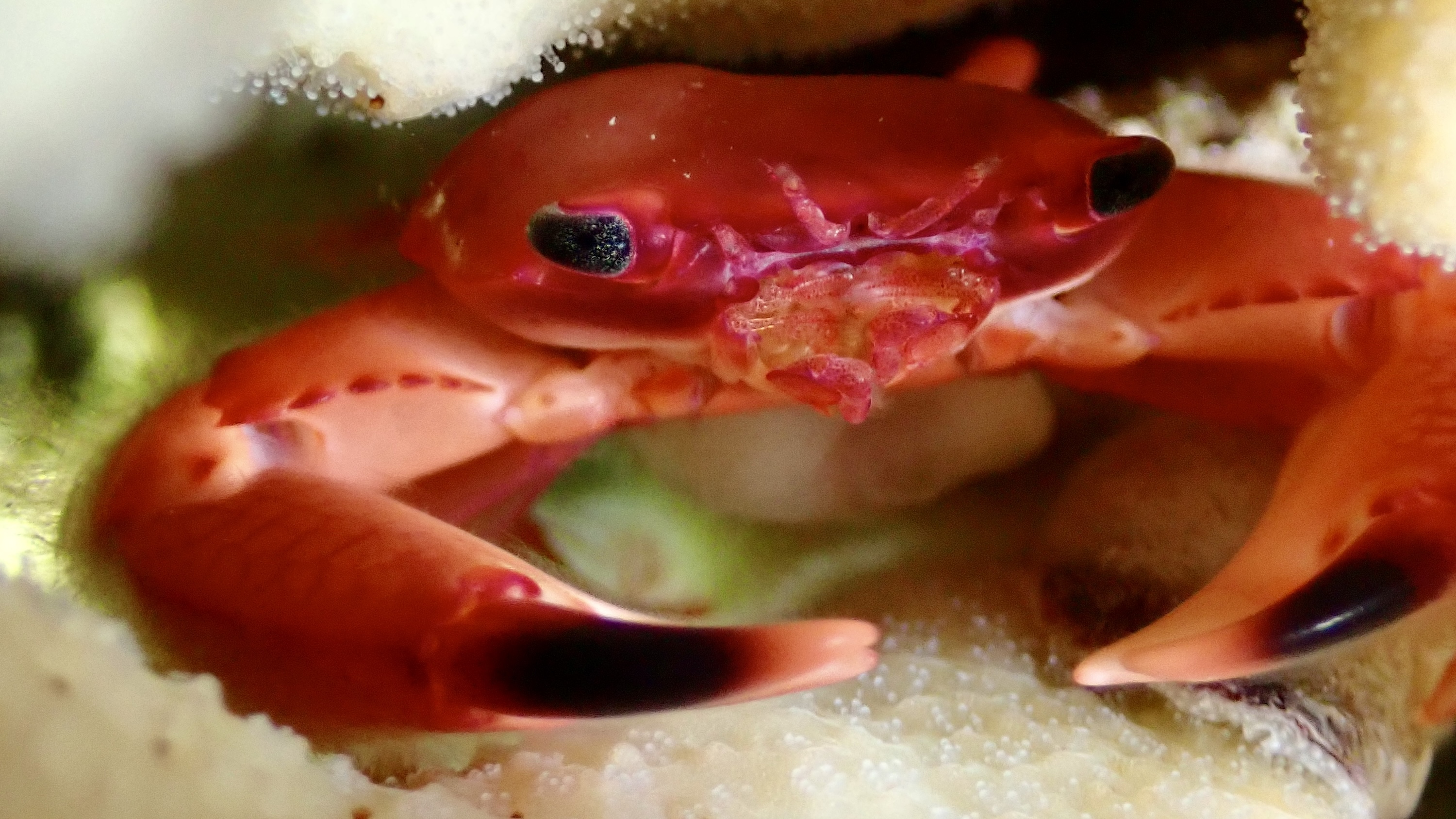
Figure 1. Coral Guard crab species Trapezia Cymodoce. This is an example of the type of dwellers that we studied. Located in the Red Sea. Photo taken by Coral Pagano.
Going into this trip, I had no idea what I was getting into. New place, new people, new science, but I couldn't have been more excited.
Gianna and I work out of the dive center at the Inter-University Institute for Marine Sciences (IUI) diving five days a week for our research (Figure 2). Adjusting to the Israeli work week, which runs Sunday through Thursday, took some getting used to. IUI sits near the Egyptian border, sandwiched between desert mountains and some of the best dive sites I've ever seen. I've spent my dives in awe of the reefs and sea creatures I never imagined seeing in person.
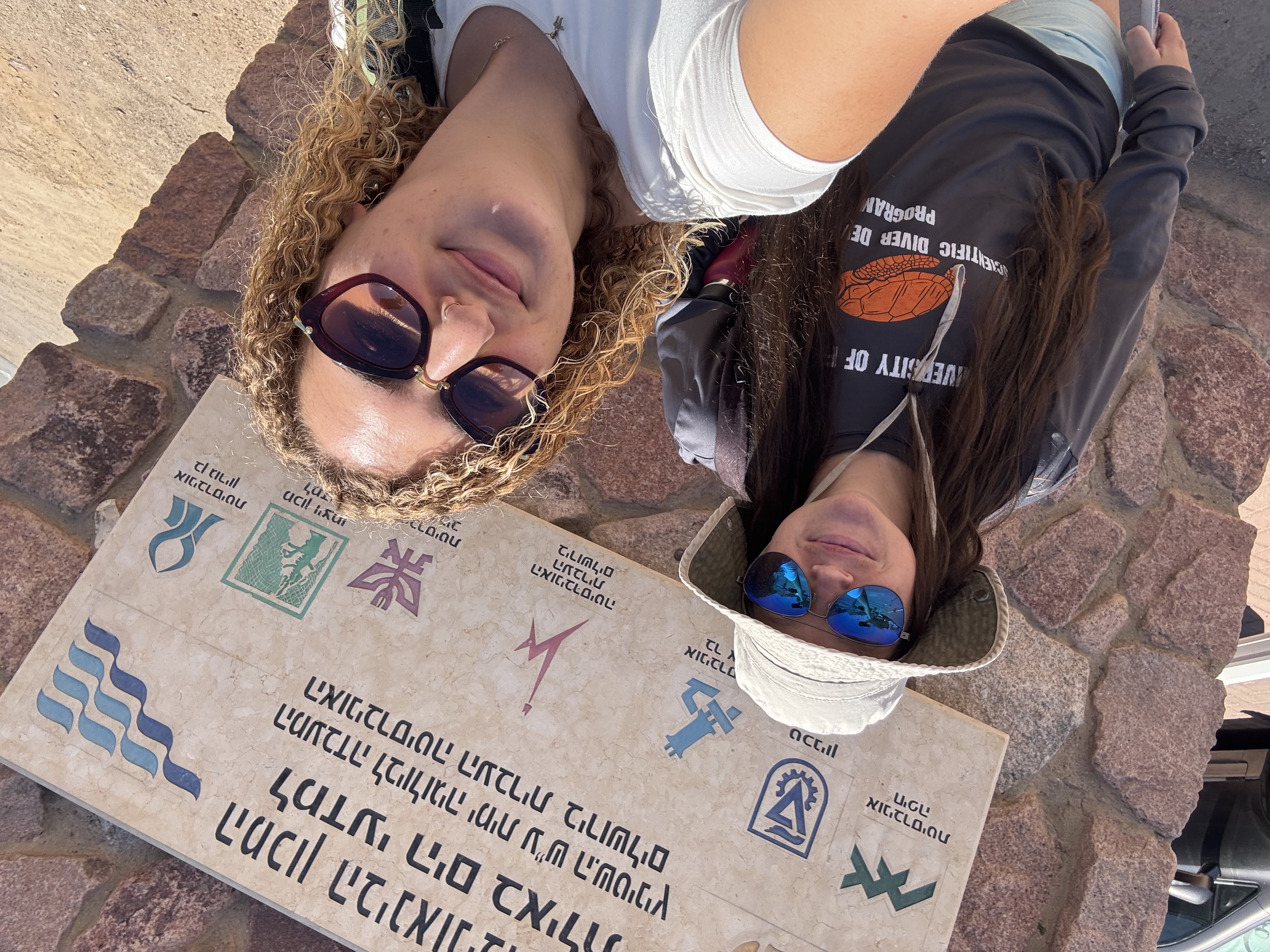
Figure 2. Gianna Michel and Coral Pagano outside of the Inter-University Institute for Marine Sciences before our morning dive.
Finding the words
The first real challenge I faced was language and communication with people outside our small ASLO team. Most people at IUI speak English, but Hebrew is the predominant language so the welcome I got was warm but came with a catch: people were constantly switching to English just to include me. On top of that, when people asked why I was working at IUI, I didn't actually have a clean answer. I was still learning the shape of our project myself — and I'm an undergraduate mentee working under a student who isn't part of the local lab either. That put me in the odd position of being "the helper of an abroad student," with no easy way to explain what that meant. Eventually Gianna and I sat down and worked out an actual elevator pitch, just so I'd stop fumbling the introduction every time.
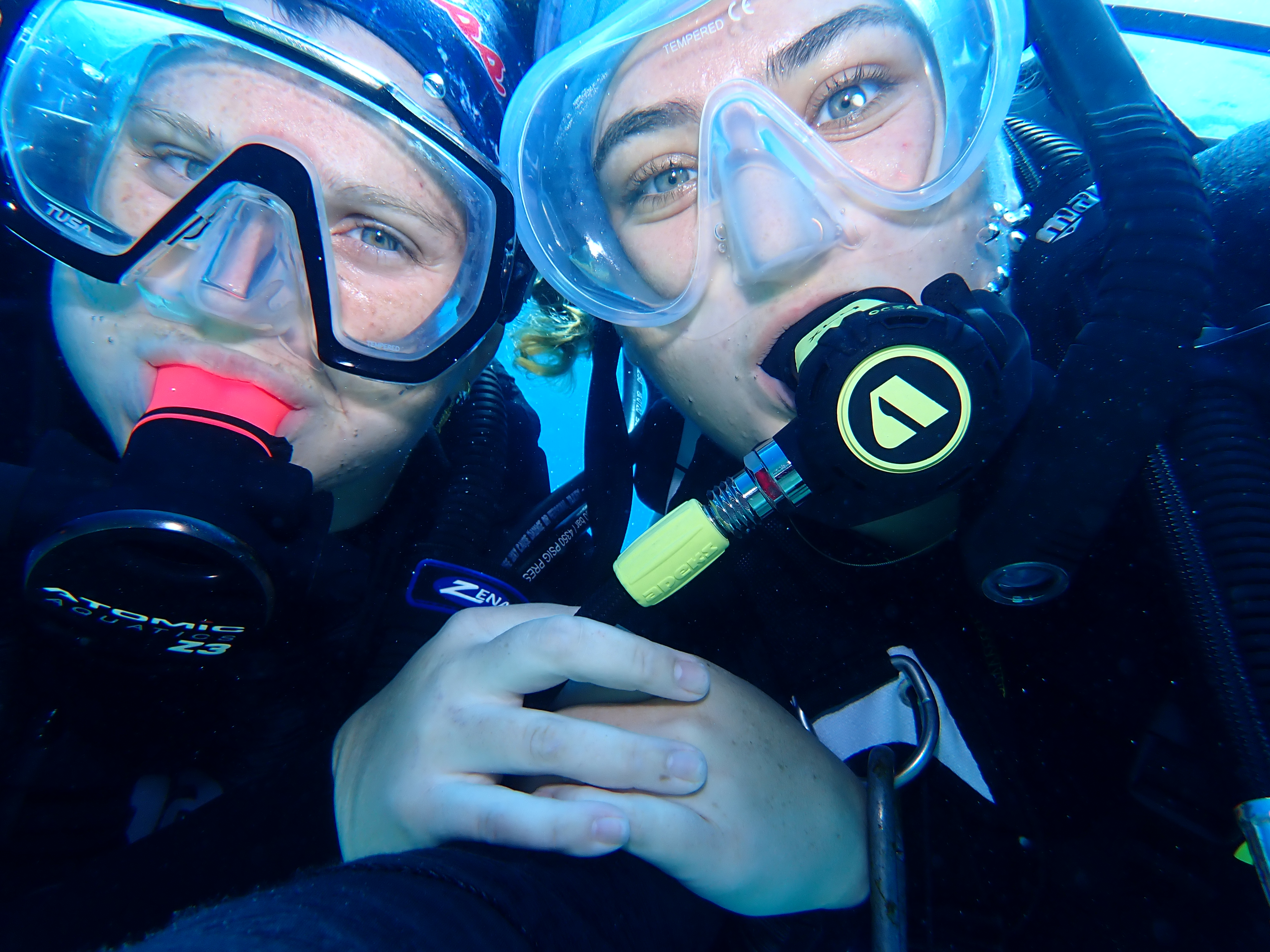
Figure 3. Gianna Michel and Coral Pagano diving in the Red Sea.
Finding my role
The second challenge I faced has been figuring out where I actually belong in the research. As a mentee, I'm secondary by design — my primary role is to be a dive buddy, collecting data and focusing on safety (Figure 3). Figuring out how to be useful in that role meant communication became the whole game: learning in real time what I could actually contribute, rather than waiting to be told. My goal has been to show up as an active assistant, not a passive bystander, and that's taken more deliberate effort than I expected. This is where I've been grateful for my mentor — she's given me scientific papers to read and included me in every research discussion, which has made it a lot easier to find my footing.
I have only been here a month, so I'm still adjusting to daily life here — new schedules, a new language, new people, a new sea, and desert to explore — but I couldn't be happier (Figure 4).
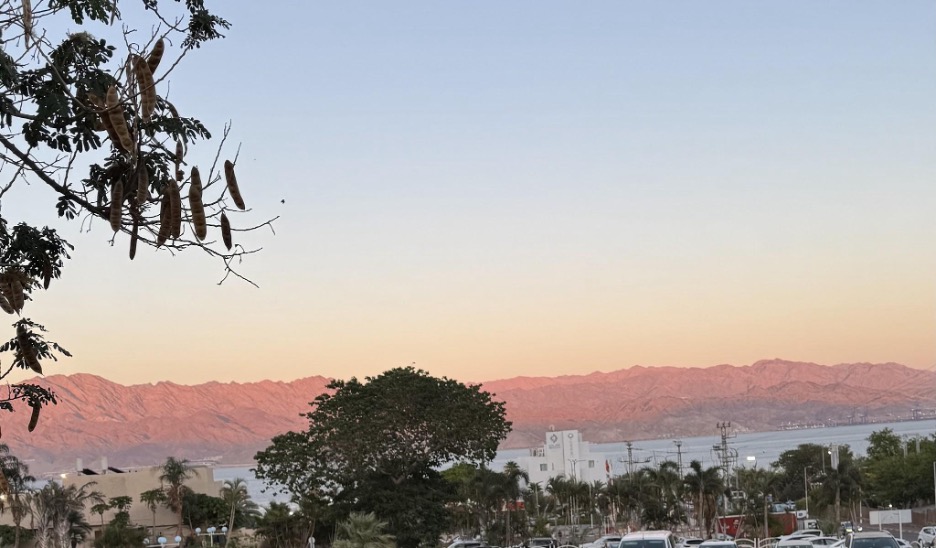
Figure 4. View from our apartment: the Red Sea and desert during sunset.
Signing off for now.
Coral Pagano, Eilat, Israel